


New use of white PET film
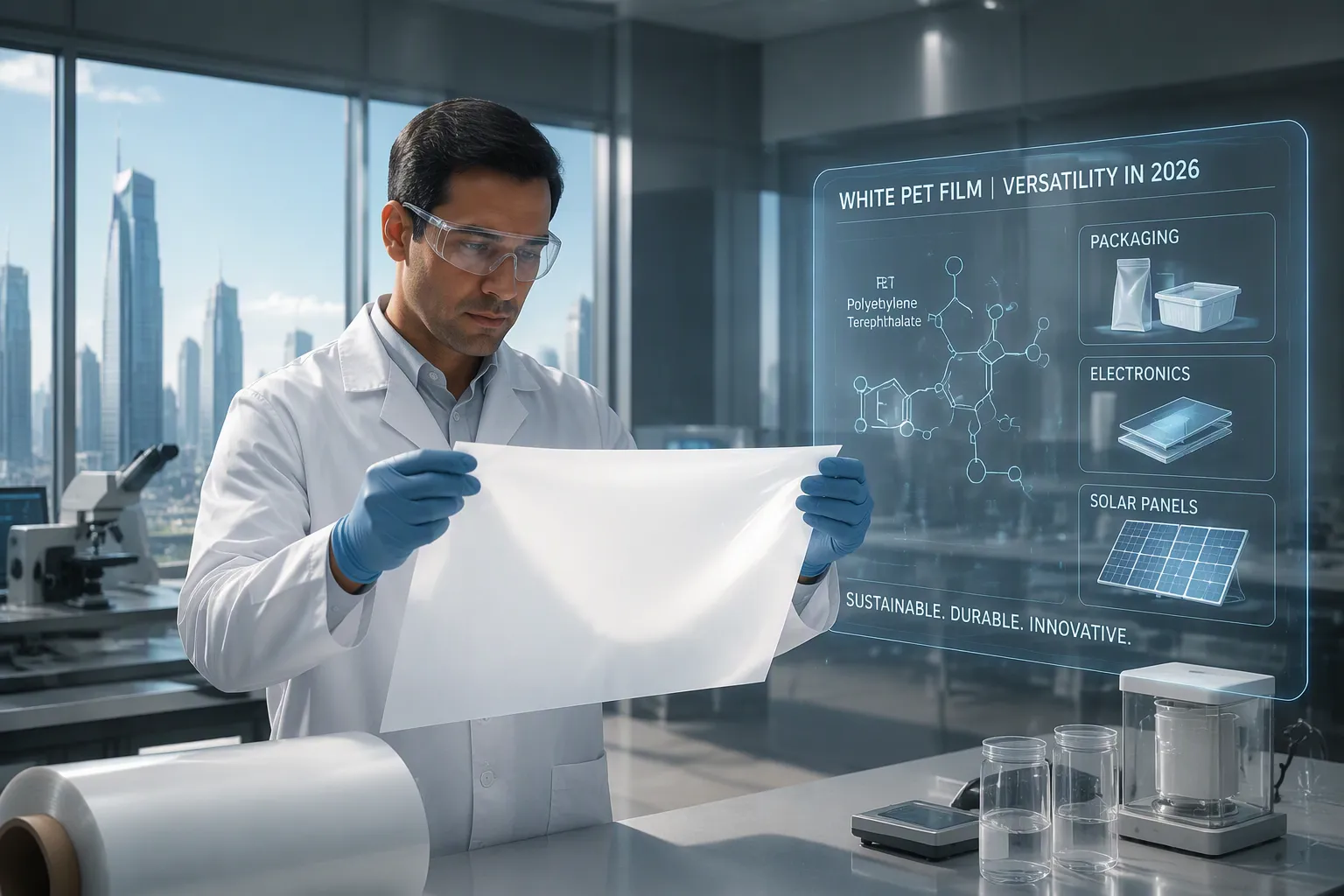
White PET film now powers six fast-growing applications in 2026: smart and sustainable packaging, flexible electronics, EV battery components, medical diagnostics, decorative surfaces, and solar energy. The material has moved far beyond traditional packaging. Today it works as a functional, high-tech component. Two headline innovations show the shift. Nano white PET film disperses nanoparticles through the substrate for a strong barrier. Compressed air cushioning film seals two polyester layers around trapped air for lightweight protection. Designers and engineers keep finding fresh roles for pet film in demanding products. Each new use deserves a closer look. The sections below break down how pet film performs in each field and what buyers should know.
Key Takeaways
White PET film now serves six major industries: packaging, electronics, automotive, healthcare, interiors, and solar.
In packaging, white PET film improves label printing, air cushioning, and food barrier protection.
Flexible electronics use white PET film for transparent electrodes, capacitors, and foldable screens.
Automotive applications include EV battery barriers, interior lighting diffusers, and sensor protection.
Medical uses feature diagnostic test strips and sterile packaging that withstand heat.
Decorative films for kitchens and interiors resist moisture, scratches, and daily wear.
Solar backsheets made with white PET film reflect light and can lower module temperature for better efficiency.
Buyers should check thickness, barrier needs, temperature limits, and recyclability before sourcing.
Packaging and Labels Lead the Way
Packaging remains the largest outlet for pet film, and 2026 brings sharper performance demands. Brand owners want labels that print cleanly, cushioning that protects odd shapes, and barriers that keep food fresh longer. White pet film meets all three needs.
Premium Label Face Stock
White pet film works as an excellent face stock for premium self-adhesive and wrap-around labels. The material offers high opacity, good whiteness, and low light transmission. These traits let converters print vivid graphics, fine text, and scannable codes on a consistent background. Different grades serve different printing systems. The table below summarizes three common options.
| Product | Color/Appearance | Coating | Key Property | Application |
|---|---|---|---|---|
| W270 | White, opaque | Uncoated | Uncoated film | Industrial applications |
| W54B | White, opaque | Two-side adherable | Adherable on both sides | Industrial applications |
| WDI3 | White, opaque | Two-side coated | Adhesion to dry toner systems | Dry toner systems |
High Opacity and Print Performance
High opacity blocks underlying surfaces and prevents show-through. Printers achieve sharp contrast on every run. Low light transmission also protects light-sensitive contents. Converters value this consistency across flexo, offset, and digital presses.
Wrap-Around and Self-Adhesive Labels
Wrap-around labels demand a film that bends without cracking. Self-adhesive constructions need stable dimensional behavior during dispensing. White pet film delivers both. The W54B grade adheres on both sides, which suits specialized label builds. The WDI3 grade bonds well to dry toner systems for digital short runs.
Compressed Air Cushioning Film
Compressed air plastic film takes a different approach to protection. Two layers of polyester film seal together with air bubbles trapped between them. The result is a lightweight cushion that conforms to items of any shape or size. E-commerce shippers use this format for fragile goods, electronics, and irregular parts.
Two-Layer Sealed Bubble Structure
The structure is simple and effective. A top polyester film layer and a bottom polyester film layer bond at patterned points. Air fills the pockets between the seals. The trapped air absorbs shock and spreads impact across the surface. Users cut the film to length on demand, which reduces waste.
Medium-Thickness Film Advantages
Medium-thickness film in the 25–75 μm range is ideal for this purpose. Thinner gauges may not hold air reliably under load. Thicker gauges add cost and stiffness without extra benefit. The medium range balances strength, flexibility, and material economy. Converters can run these gauges on standard sealing equipment.
Nano White PET Barrier Film
Nano white PET film represents the most advanced barrier option in this category. Manufacturers disperse nanoparticles measuring 1–100 nm evenly through the PET substrate. These particles are smaller than the wavelength of visible light. The film therefore keeps high transparency and gloss while gaining barrier strength.
Nanoparticle Dispersion and Clarity
Even dispersion is critical. Clusters would scatter light and cloud the film. Well-dispersed particles leave the surface clear and glossy. The nano approach also improves resistance to heat. This matters for processes that involve thermal stress.
Extended Shelf Life and Hot Filling
Superior barrier properties against O2, CO2, and H2O extend shelf life for sensitive foods and beverages. Improved heat resistance enables hot filling or sterilization without deformation. These gains support the broader shift toward high-barrier pet film in packaging. Soft-touch luxury packaging also benefits. Matte and tactile finishes pair well with the film's smooth surface, giving premium boxes and sleeves a refined feel. Buyers evaluating pet film in packaging now weigh barrier data alongside print quality and sustainability. That combination explains why white pet film holds a leading position in labels, cushioning, and barrier structures for 2026.
White PET Film in Flexible Electronics
Flexible electronics demand substrates that bend, insulate, and survive thermal stress. White pet film meets these demands in several device categories. The sections below examine three roles where the material now competes with established options.
Transparent Electrodes Replace ITO
Indium tin oxide (ITO) has long served as the transparent electrode in displays and touch panels. The material is brittle. It cracks under repeated bending. Researchers have therefore tested alternative conductive layers on flexible substrates.
Soluble Polyaniline Coating
A soluble, high-conductivity polyaniline coating applied to white pet film can serve as a transparent electrode. The coating replaces ITO while keeping optical transmission acceptable for device operation. Interface studies have ensured long-term stability of the coated layer. These studies examine how the polyaniline bonds to the polyester film surface and how that bond holds up under electrical and mechanical cycling. Stable interfaces prevent delamination and resistance drift during use.
Flexible Large-Area Plastic LED
The coated substrate enabled the first flexible large-area plastic light-emitting diode. This device demonstrates that a plastic-based transparent electrode can drive a working LED over a large area. The result matters for signage, architectural lighting, and wearable indicators. Large-area plastic LEDs can bend and conform to curved surfaces. They also avoid the fragility of glass-based constructions. The interface work behind this device provides a foundation for further product development.
Capacitors and Flexible Circuits
Electronics manufacturing shows steady demand growth for pet film in capacitors, insulation, and flexible circuits. Each application draws on a different property of the material.
Insulation and Dielectric Reliability
Capacitors require a dielectric layer with consistent thickness and low defect density. Polyester film offers both. Manufacturers use it as the dielectric in film capacitors and as insulation in flexible circuit assemblies. Reliable dielectric behavior depends on clean film surfaces and uniform gauge. Buyers should specify thickness tolerance and check for pinholes, since a single defect can cause early failure. The table below summarizes the core requirements.
| Requirement | Why It Matters |
|---|---|
| Uniform thickness | Keeps capacitance values predictable |
| Low pinhole count | Reduces breakdown risk |
| Stable dielectric strength | Supports repeated voltage cycling |
| Good adhesion | Holds coatings and laminates in place |
Low-Power IoT Device Demand
Low-power IoT devices now drive additional demand. These devices need small capacitors, thin insulation layers, and compact flexible circuits. The pet film used in these builds must remain stable across temperature swings and humidity exposure. Designers favor thin gauges that save space without sacrificing dielectric performance. This trend supports steady volume growth in electronics manufacturing.
Foldable Display Substrates
Foldable displays place extreme demands on substrate materials. The film must survive repeated folding without permanent deformation. It must also hold dimensional stability through thermal processing steps.
Dimensional Stability Benefits
Dimensional stability is the key advantage here. A substrate that expands or contracts during coating and lamination will misalign layers. Polyester film resists such movement under controlled process conditions. Manufacturers can therefore pattern conductive layers and bond cover films with tight registration. The material also tolerates the thermal budget of typical display assembly steps. These properties make it a practical candidate for foldable and rollable screen designs.
Wearable Monitor Applications
Wearable health monitors represent a growing outlet. These devices wrap around the wrist or chest and flex with body movement. The substrate must bend without cracking the circuitry above it. White pet film provides a stable base for sensors, traces, and display elements in this format. Its surface accepts conductive coatings and adhesive layers. Device makers value the combination of flexibility and dimensional control. The same properties support curved automotive displays and flexible lighting panels.
Flexible electronics will keep pushing substrate requirements higher. Each of these three roles shows how a familiar material adapts to new electrical and mechanical demands.
PET Film in Automotive Applications
Automotive engineers now specify pet film for thermal barriers, lighting components, and sensor protection. Each role draws on a different property of the material.
EV Battery Thermal Barriers
Battery packs concentrate heat and electrical energy in a small space. Engineers therefore need barrier layers that resist flame and block current flow.
Flame Retardancy and Insulation
Treated pet film resists ignition and slows flame spread inside the pack. The film also provides electrical insulation between cells and busbars. These two properties work together. A single layer can separate live conductors and limit thermal runaway damage. Automakers test candidate materials against internal safety protocols before approval, so final suitability depends on verified test results.
Battery Pack Separators
Separators sit between cells and structural plates. They must hold their shape under vibration and temperature cycling. Pet film offers consistent thickness and good mechanical strength in this role. Thin gauges save weight and space inside the enclosure. Stable dielectric behavior keeps the separator reliable across the pack's service life.
Interior Display and Lighting
Cabin design now relies on screens, ambient light strips, and projected information. Optical films make these systems work.
Diffuser Films for Ambient Lighting
Ambient lighting needs even, glare-free output. A diffuser film spreads light from hidden LEDs across a wide surface. White pet film scatters light effectively and hides individual diodes. Designers tune brightness and uniformity through film thickness and surface texture. The result is a soft glow along doors, dashboards, and footwells.
Heads-Up Display Components
Heads-up displays project speed and navigation data onto the windshield. The optical path demands films with low haze and stable dimensions. Pet film holds its shape through the heat of a closed cabin. It also accepts anti-reflective and anti-glare coatings. These traits keep projected images sharp in bright sunlight.
Exterior Sensor Protection
Modern vehicles carry cameras, radar, and LiDAR units on the body surface. These sensors need windows that stay clear in rain, dust, and sun.
Weather-Resistant LiDAR Windows
LiDAR windows must pass infrared light with minimal loss. They also face stone chips, UV exposure, and car wash chemicals. A durable polyester film layer protects the optical surface without blocking the signal. Coatings add scratch resistance and water shedding. Engineers validate these windows through accelerated weathering tests.
Autonomous Vehicle Sensor Housings
Sensor housings shield electronics from moisture and debris. Pet film serves as a protective membrane and an insulating layer inside these housings. The material resists chemical attack from road salt and cleaning agents. It also maintains flexibility across temperature extremes. These qualities support reliable sensor operation in autonomous driving systems.
Automotive use will keep expanding as electric and self-driving platforms mature. Each application above shows how a thin white pet film now carries real functional duty.
Healthcare and Medical Innovations
Medical manufacturers now specify pet film for test strips, sterile packaging, and imaging hardware. Each role depends on a distinct property of the material.
Diagnostic Test Strips
Diagnostic strips need a substrate that holds its shape through heat and chemical exposure. Pet film meets that need across several test formats.
Stable Substrate for Lateral Flow Assays
Lateral flow assays rely on a flat, inert base. Pet film retains its shape and properties under temperature changes, including heat-sealing and sterilization. The material tolerates short-term heat exposure up to about 446°F (230°C)—a value quoted for brief sterilization-type cycles that exceeds the limits of PETG and PVC; continuous-use ratings are well below this and depend on grade. This stability keeps diagnostic strips flat during strip printing. The film also shows no migration of species to the surface over time, so contamination risk stays low. High flatness holds before and after thermoforming or lamination, within 0.5–3.0%. A corona treatment improves wettability and adhesion, which matters for processing the blood sample and for accepting the blended medical adhesive. The table below lists core specifications.
| Property | Value |
|---|---|
| Material | PET |
| Transparency | Opaque |
| Color | White opaque |
| Thickness | 12–250 µm |
| Feature | Moisture proof |
Rapid At-Home Test Kits
At-home kits demand simple handling and reliable results. Pet film is easy to insert into reading devices, which supports consumer-friendly designs. High tear strength of about 0.7 lbf (3.1 N) per ASTM D1004 is a typical value for the product, which protects strips during assembly and use. The film outperforms paper liners on high-speed label lines. Converters can choose opaque white, translucent white, or clear grades with matte or glossy finishes. Uncoated, metallization-ready, and gelatin-coated options cover UV, rotogravure, and flexographic processes.
Sterile Barrier Packaging
Sterile packaging must block moisture and microbes while surviving sterilization. Pet film delivers both functions in device and drug delivery formats.
Medical Device Housings
Device housings need a moisture-proof barrier with consistent gauge. Pet film offers a wide range of thicknesses, so designers can match rigidity to device weight. The film tolerates sterilization cycles without warping. Clean surfaces also support printing of lot codes and instructions.
Wearable Drug Delivery Patches
Wearable patches flex with skin movement. Pet film combines flexibility with barrier strength in this role. The material resists moisture ingress that could degrade a drug payload. Converters laminate it to backing layers and release liners on standard equipment.
Imaging Components
Digital radiography has replaced much film-based imaging. Substrate choice still shapes detector performance.
Digital Radiography Detectors
Detectors convert X-rays into digital signals through a scintillator layer. Pet film provides a flat, dimensionally stable base for that layer. High flatness keeps image geometry accurate across the panel.
Advantages Over Traditional Film Bases
Traditional film bases required wet chemical processing. Pet film supports dry digital workflows and repeated handling. The material also resists moisture, which protects detector electronics over years of service.
PET Decorative Film for Kitchen Cabinets and Interiors
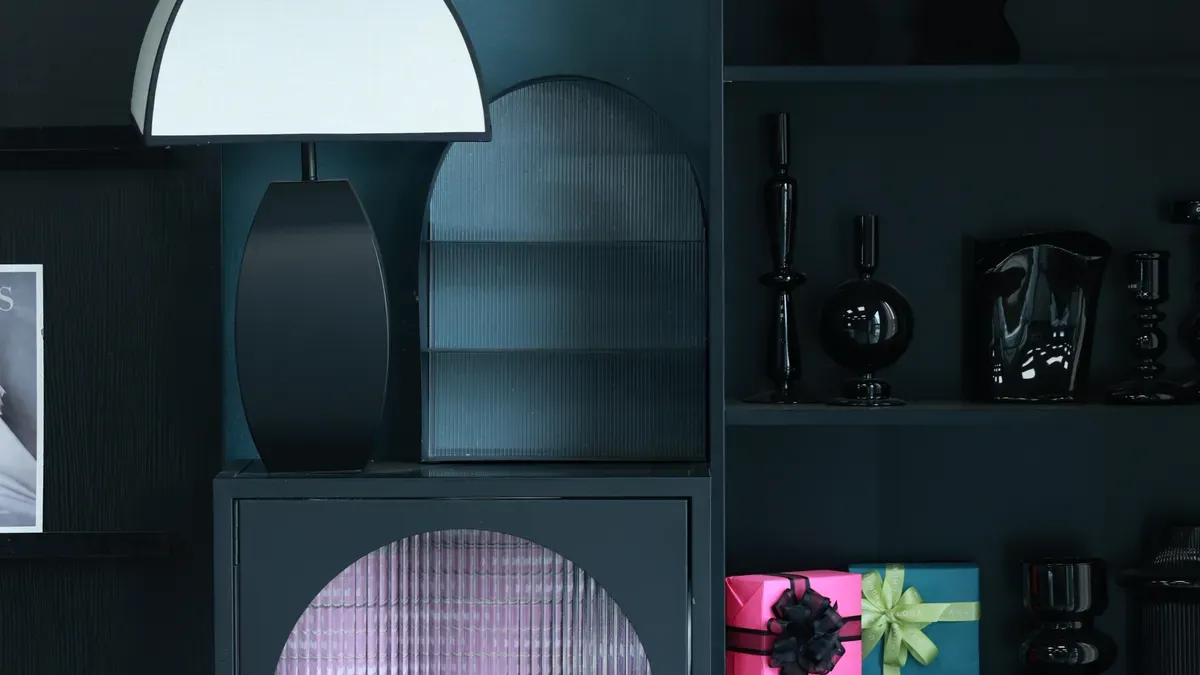
Interior designers now treat pet decorative film as a finish material in its own right. The film wraps cabinet fronts, wall panels, and signage surfaces with a durable skin. It brings color consistency, easy cleaning, and recyclability to spaces that see heavy daily use.
PET Decorative Film for Kitchen Cabinets
Kitchen cabinets face steam, oil, heat, and constant handling. A decorative film must survive all four without fading or lifting. Pet decorative film meets these conditions and offers a wide design range at the same time.
Moisture and Scratch Resistance
The film acts as an impermeable barrier against moisture and steam. This barrier reduces warping, peeling, and fading in humid kitchen environments. The adhesive bond must also hold up under high humidity, so the lamination step matters as much as the film itself.
Surface hardness protects the finish from daily abuse. Flat surfaces reach a pencil hardness of 2H–3H under ASTM D3363, a typical figure for this finish type. That level resists fingernail gouges, abrasive pads, and utensil impacts. A non-porous surface keeps dirt and oil from penetrating, which makes wipe-down cleaning simple. The same surface resists cooking oils, acidic spills, and alkaline cleaners.
Designers also gain aesthetic versatility. The film mimics ultra-matte, soft-touch, high-gloss, woodgrain, metallic, stone, and solid-color finishes. Color stays consistent across components and across large production batches. The material is recyclable and releases no harmful substances during use, in line with international standards for plastics. These traits support its growing role in furniture and panel manufacturing.
Thickness selection drives performance. The table below summarizes the key specifications for cabinet work.
| Characteristic | Specification / Detail |
|---|---|
| Thickness range | 0.30–0.50 mm standard for flat lamination on MDF; 0.60–0.80 mm for ultra-premium high-gloss; 0.15–0.25 mm too thin (telegraphing) |
| Surface hardness | Pencil hardness 2H–3H (ASTM D3363) for flat surfaces |
| Thermal shrinkage | Less than 0.5% in MD and TD at 80°C for 24 hours |
| Heat resistance | Withstands radiant heat up to 70°C–85°C without shrinkage, edge creep, or delamination |
| Substrate compatibility | MDF (min. 750 kg/m³ surface density) is standard; plywood/particle board not recommended due to telegraphing |
| Lamination method | Flat lamination with PUR hot-melt (120°C–140°C, 40–60 g/m² coat weight) |
Substrate choice matters. MDF with a surface density of at least 750 kg/m³ is the standard base. Plywood and particle board can telegraph their grain through thin film, so processors avoid them for premium faces. PUR hot melt adhesive at 120°C–140°C and a coat weight of 40–60 g/m² gives a reliable bond. PUR hot melt adhesives cure to a strong, moisture-resistant joint that suits steamy rooms.
Low-Light Transmission Finish
Low light transmission gives the film its opaque, uniform face. Light does not bleed through the panel, so color reads the same under daylight and under cabinet lighting. This trait supports flat-panel kitchen cabinets with seamless fronts. It also helps flat-panel cabinet doors hold a clean, monolithic look.
Anti-fingerprint technology has advanced the matte segment. Excimer UV curing lowers gloss below 5 GU and creates a soft-touch finish. The surface hides smudges in high-touch zones such as handles and edges. High gloss pet films serve the opposite taste, and they rely on the same base chemistry for clarity and depth.
The comparison of pet vs. pvc film favors polyester on recyclability and heat behavior. PVC faces tighter disposal rules in many markets. Polyester film offers a mono-material path that fits circular design goals, consistent with industry guidance on plastic sustainability. Buyers weighing surface lamination options should confirm the adhesive system and the substrate density before committing to a finish.
Smart Window and Privacy Films
Windows in modern interiors must do more than let light in. They now manage glare, privacy, and visual comfort. White pet film supports these functions as a diffusion layer and as a component in switchable glass.
Light Diffusion and Privacy Control
A white film layer spreads incoming light across a room. It softens direct sun and reduces hot spots on screens and work surfaces. The same layer blocks a clear line of sight from outside. Occupants keep daylight without losing privacy. Designers tune the diffusion level through film thickness and surface texture. The result is a frosted effect that stays even across large panes.
Switchable Privacy Glass
Switchable glass changes from clear to frosted on demand. The construction sandwiches a functional layer between transparent substrates. Pet film can serve as a carrier or protective layer in that stack. It offers dimensional stability through lamination and bonding steps. It also accepts conductive coatings that drive the switching function. Architects specify these systems for meeting rooms, clinics, and street-facing facades. The film helps the panel hold its optical quality over repeated switching cycles.
Architectural Signage and Displays
Signage lives outdoors, in humid lobbies, and on bright facades. The substrate must resist weather, moisture, and UV exposure. Architectural-grade pet films now serve this market alongside traditional sign materials.
Durable Outdoor Digital Signage
Outdoor digital displays face rain, dust, and direct sun. A protective film layer shields the display face from scratches and chemical attack. White pet film also works as a diffuser and reflector inside the light box. It spreads LED output evenly and hides individual diodes. The film resists yellowing better than many paper-based alternatives. Printers value its smooth surface for consistent ink adhesion.
High-Humidity Performance
Humid environments test every sign material. A non-porous polyester face does not absorb water or swell. It holds its dimensions through seasonal moisture swings. This stability keeps printed graphics aligned and prevents edge curl. The film also resists mold and staining that plague porous substrates. Installers use it for pool areas, bathrooms, and coastal facades.
Decorative use will keep expanding as interiors demand both beauty and function. Pet decorative film now covers cabinet and wardrobe panels, architectural wall panels, and display surfaces. Flat lamination on wall panels gives designers a fast, consistent finish across large areas. Wood-based panels such as MDF, OSB, plywood, and particle board all accept the film when processors match the grade to the substrate. The material bonds well to MDF, plywood, particle board, and aluminum profiles. Scratch and chemical resistance keep the surface serviceable for years. Furniture makers report lower defect rates and easier maintenance with these finishes.
For buyers who need a dependable white PET film manufacturer, Yuxing offers consistent quality and technical support across these decorative applications.
Solar and Energy Applications
Solar modules work outdoors for decades. Heat, sunlight, and moisture attack every layer of the panel. White pet film now serves as a reflective and protective component in this harsh environment.
Solar Panel Backsheets
A backsheet forms the rear protective layer of a photovoltaic module. It blocks moisture, insulates the electrical circuit, and reflects light back into the solar cells. White pet film acts as the core layer in several backsheet designs.
UV Resistance and Reflectivity
Ultraviolet light degrades many polymers. Polyester chains can yellow and embrittle under prolonged exposure. White pet film therefore relies on UV-stable outer layers or coatings to meet backsheet requirements. One all-polyester white backsheet shows no visible change after high-performance UV-stress testing per IEC 61215. That same product reaches up to 93% reflectivity at 380–780 nm and about 85% at 380–1200 nm; these are typical figures for the product family and vary by construction. The outer pet film layer and the adhesion-promoting film deliver the high white degree and reflective performance.
Reflectivity carries real value. White backsheets that reflect more than 70% of incident light can lower module temperature by 2–3°C in typical installations. Cooler cells convert sunlight more efficiently. The table below compares common backsheet structures.
| Backsheet Structure | UV Resistance | Reflectivity (White) |
|---|---|---|
| TPT (PVF/PET/PVF) | >3000 hours | >70% |
| KPK (PVDF/PET/PVDF) | >3000 hours | >70% |
| Coated (Coating/PET/Coating) | >2500 hours | >65% |
These structures use a pet film core layer of 250–275 μm. Buyers should match the outer layer to the warranty target. Premium fluoropolymer skins last more than 25 years, while budget polyester constructions typically carry 10–15 year warranties.
Bifacial Module Compatibility
Bifacial modules collect light on both faces. The rear side needs a transparent or highly reflective backsheet to capture reflected sunlight. A white pet film layer boosts rear-side gain by scattering light back toward the cells. Designers select the film grade to balance reflectance against weight and cost.
Recycled PET Film in Energy Products
Sustainability pressure now reaches solar manufacturing. Module makers seek materials that support circular design without sacrificing field performance.
Recyclability and Mono-Material Trends
All-polyester backsheets simplify end-of-life processing. A mono-material construction avoids the separation steps that mixed laminates require. Recycled polyester film feeds this trend. It keeps the same base chemistry while reducing demand for virgin resin. Designers favor mono-material stacks for new module platforms.
Reduced Material Usage
Thinner gauges cut material consumption per panel. Stronger polyester film lets engineers down-gauge without losing mechanical or dielectric performance. Lower material use also trims weight and shipping cost. These gains support the industry's broader efficiency goals.
For buyers who need a dependable white PET film manufacturer, Yuxing offers consistent quality and technical support across solar and energy applications.
What Makes 2026 Different
From Passive to Functional Roles
Active Components vs. Simple Packaging
Earlier pet film applications treated the material as a passive wrapper. It carried print, protected a surface, or held a label in place. The 2026 picture looks different. Pet film now sits inside devices as a dielectric layer, a barrier, a diffuser, or a sensor window. Buyers judge it on electrical and optical performance, not appearance alone.
Higher Performance Requirements
Functional roles bring stricter specifications. A capacitor dielectric tolerates voltage cycling. A battery separator survives vibration and heat. A diagnostic strip holds flatness within 0.5–3.0% through lamination and thermoforming. Suppliers now document these properties with test data rather than general claims.
Material Property Improvements
Thinner Gauges with Higher Strength
Down-gauging continues across every segment. Cushioning film works best at 25–75 μm. Medical substrates span 12–250 µm. Engineers want the low end of each range without losing tear strength or dielectric margin. Stronger resin grades and tighter process control make this possible.
Better Thermal and Chemical Resistance
Heat tolerance has become a selection driver. Diagnostic substrates tolerate short-term heat up to about 446°F (230°C), which exceeds PETG and PVC limits; continuous-use ratings are lower and grade-dependent. Solar backsheets resist UV-driven yellowing. Automotive parts resist road salt and cleaning agents. Chemical resistance now matters as much as mechanical strength.
2026 B2B Buying Guide
Key Selection Criteria
This 2026 b2b buying guide starts with four questions. What thickness does the process need? Which barrier matters most — oxygen, moisture, or light? What peak temperature will the part see? Does the design require recyclability or a mono-material stack? Answer these before requesting samples. Then confirm surface treatment, since corona treatment affects adhesion in coating and lamination steps.
Sourcing Considerations
Sourcing decisions carry more weight than they did five years ago. Buyers should request lot-level test reports, verify thickness tolerance, and check pinhole counts for electrical grades. Sustainability targets favor suppliers who offer recycled content and mono-material constructions. Isotropic pet film is projected to expand in the food and beverage industry, so capacity planning deserves attention. A dependable pet film supplier documents performance and supports technical questions. Readers seeking a reliable white PET film manufacturer can consider Yuxing for consistent quality and technical support. These pet film applications reward careful specification, and that discipline separates successful 2026 projects from costly rework.
Conclusion
White pet film now serves as a functional component across six sectors in 2026. Packaging and labels use it for premium face stock, air cushioning, and nano barriers. Flexible electronics rely on it for transparent electrodes and foldable substrates. Automotive engineers specify it for battery barriers and sensor windows. Healthcare depends on it for diagnostic strips and sterile packaging. Decorative interiors and solar backsheets round out the list.
These roles differ sharply from earlier applications. Improved barrier properties, nano-engineered clarity, conductive coatings, recyclability, and thinner high-strength gauges drive the change. Buyers who need a reliable white PET film manufacturer can consider Yuxing for consistent quality and technical support. Innovation in pet film will continue through 2026 and beyond.
Need a Reliable White PET Film Manufacturer?
Yuxing (Jiangsu Yuxing Film Technology Co., Ltd.) supplies white PET film for labels, electronics, medical, decorative, and solar applications. Buyers can request datasheets, thickness options, samples, and lot-level test reports before ordering.
Send an InquiryView White PET Film Products →FAQ
White PET film now works as a functional component in six areas. These include smart packaging and labels, flexible electronics, EV battery barriers, medical diagnostics, decorative interiors, and solar backsheets. Each role depends on a different property, such as barrier strength, insulation, or light diffusion.
The film offers high opacity, good whiteness, and low light transmission. These traits give converters a consistent background for vivid graphics and scannable codes. Grades such as W54B adhere on both sides, and WDI3 bonds well to dry toner systems for digital short runs.
Two polyester layers seal together with air trapped between them. The pockets absorb shock and spread impact across the surface. Medium-thickness gauges in the 25–75 μm range balance strength, flexibility, and material economy. Shippers cut the film to length on demand, which reduces waste.
Manufacturers disperse nanoparticles of 1–100 nm evenly through the substrate. The particles are smaller than the wavelength of visible light, so the film keeps high clarity and gloss. Barrier performance against O2, CO2, and H2O improves, and heat resistance rises enough to support hot filling or sterilization.
A soluble, high-conductivity polyaniline coating on the film can serve as a transparent electrode. This coating enabled the first flexible large-area plastic LED. Interface studies confirmed long-term stability. The approach avoids the brittleness that causes ITO to crack under repeated bending.
Flatness and thermal stability drive the choice. Diagnostic substrates tolerate short-term heat up to about 446°F (230°C), which exceeds PETG and PVC limits; continuous-use ratings are lower. High flatness holds within 0.5–3.0% before and after lamination. Corona treatment improves wettability and adhesion for sample processing.
Buyers should confirm thickness tolerance, barrier needs, peak process temperature, and recyclability goals. Lot-level test reports and pinhole counts matter for electrical grades. Corona treatment affects adhesion in coating and lamination steps. A supplier that documents performance reduces rework risk on new projects.
An all-polyester white backsheet shows no visible change after UV-stress testing per IEC 61215. Reflectivity reaches up to about 93% at 380–780 nm. Higher reflectance can lower module temperature by 2–3°C, which helps cells convert sunlight more efficiently. Core layers typically run 250–275 μm.
References and Image Credits
ASTM International — test standards cited for film properties such as tear strength (ASTM D1004) and surface hardness (ASTM D3363) (astm.org)
International Organization for Standardization — ISO standards for plastics and films (iso.org)
Plastics Industry Association — industry advocacy and sustainability resources for the plastics sector (plasticsindustry.org)
IEC 61215 — international standard for photovoltaic module qualification testing, referenced for UV-stress testing
Images — Unsplash and Pexels (free-license stock photography)
Internal links — all links under bopet-film-china.com are the site's own pages and are preserved in full
Notes: reflectivity, tear strength, flatness, pencil hardness, shrinkage, and heat-resistance figures are typical values quoted by film suppliers and vary by grade and construction; the 446°F (230°C) figure refers to short-term heat tolerance during sterilization-type exposure, and continuous-use ratings are significantly lower; backsheet UV-resistance hours and warranty periods are typical industry figures; the polyaniline electrode and large-area plastic LED are research-stage results; company and product statements are as published by the manufacturer.