




Is BOPET film the same as PET?
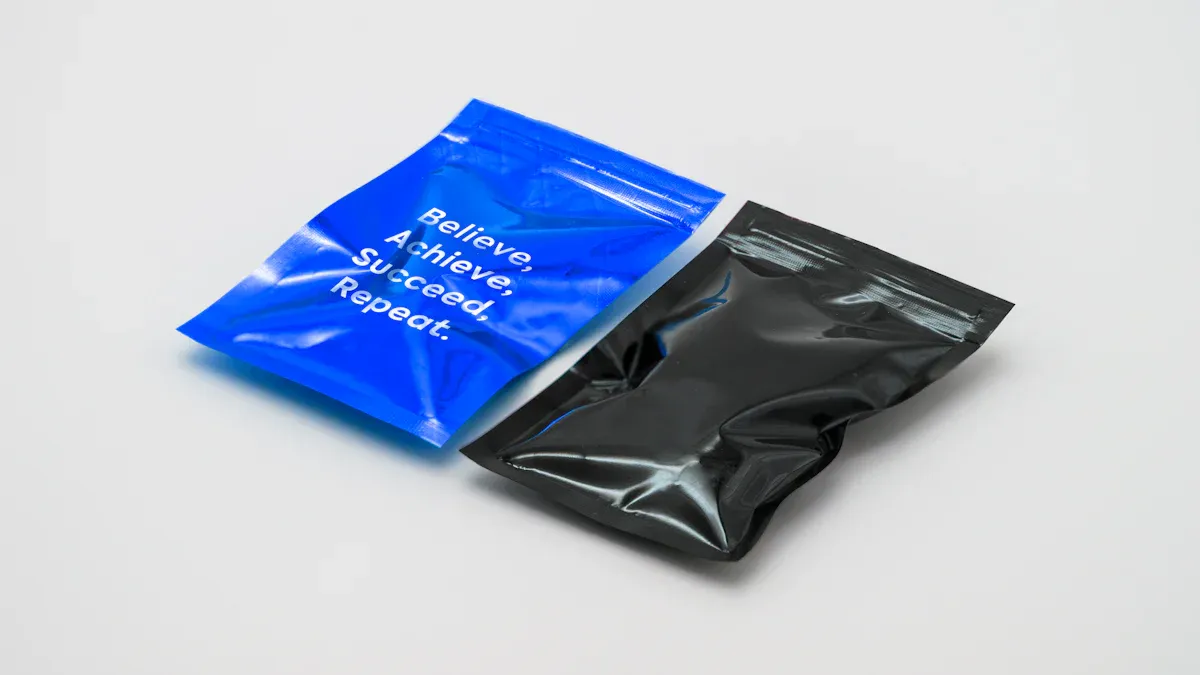
Chemically, BOPET film comes from raw PET resin. However, you will find major physical differences between them. Standard polyethylene terephthalate serves as the basic chemical resin. Standard PET film uses simple melting and cooling. In contrast, technicians stretch BOPET in two directions during specialized manufacturing. This two-way stretching process aligns the internal polymer chains. You gain better mechanical strength, improved heat stability, and top-quality electrical resistance. Standard PET changes shape under heat and stretches easily. Biaxially oriented material resists tearing and keeps its shape under stress. Therefore, engineers choose this special film for tough factory uses like motor insulation and flexible circuit boards.
Key Takeaways
Regular PET plastic acts as the main starting material used to create BOPET film.
Factory machines pull BOPET film in two ways to line up polymer chains.
Stretching it in two directions gives BOPET film greater physical strength and better tear resistance.
BOPET film holds its starting shape in strong heat much better than regular PET.
Tightly packed plastic molecules give BOPET film excellent protection against wetness and gases.
Engineers use BOPET film to protect electric motors and keep delicate circuit boards safe.
BOPET film offers clear visibility and guards electronic touch screens against unwanted scratches.
Understanding PET as the base polymer resin
Chemical foundation of polyethylene terephthalate
Polymeric structure and chemical composition
You can learn about this basic material by studying its tiny ingredients. Factories create this plastic resin using two primary chemical recipes. They mix ethylene glycol with either terephthalic acid or dimethyl terephthalate.
Raw material preparation: Workers start with pure ethylene glycol and terephthalic acid (or DMT ester).
Polymerization: They heat and melt the mixture inside a vacuum with a catalyst to build long PET chains.
The standard synthesis options follow these specific parameters:
Method | Reactants | Reaction Type | Conditions | Catalyst |
|---|---|---|---|---|
Direct esterification | Terephthalic acid + Ethylene glycol | Fisher esterification (condensation) | 250°C, 60 psi | Not specified |
Transesterification | Dimethyl terephthalate (DMT) + Ethylene glycol | Transesterification | 200–290°C, methanol distillation | Antimony trioxide (SbO₃) |
Extrusion process of un-oriented polyester resin
Machines melt these long plastic chains inside a hot machine. The tool pushes liquid pet resin through a flat metal slot. Chilled rollers cool the hot liquid very fast. This fast cooling turns the liquid into solid sheets before crystals can grow.
People call this plain polyester plastic a cast sheet. The tiny building blocks inside face every which way. Modern recycling steps help make this raw starting plastic more eco-friendly. Still, simple melting leaves the long polymer chains messy and tangled. You get a basic plastic sheet with standard chemical features.
Physical limitations of standard PET sheet
Baseline heat tolerance and thermal properties
Basic plain film has clear weaknesses when it gets hot. Its messy internal structure lowers its ability to withstand warmth. Warm temperatures easily soften this unaligned plastic film while it works.
Property | Value |
|---|---|
Tensile strength (unoriented) | 80 MPa |
Heat resistance (standard) | 240–260 °F |
You can use this plain plastic for easy water bottles or simple food tubs. Harsh settings need much stronger heat resistance. Hot temperatures warp basic plain pet sheets very quickly. Normal heat forces these unaligned materials out of shape during tough jobs.
Mechanical strength limits without stretching
Plain polyethylene terephthalate is not very strong unless you stretch it further. Un-stretched plastic rips apart quickly under heavy pulling forces. You will see that basic sheets stretch unevenly whenever heavy forces pull them.
Factory uses need much tougher plastic materials. Normal pet works fine for regular wrapping tasks. Tough factory jobs need stronger materials to handle heavy physical stress. Plain plastic tears and loses its shape under strong pulling forces. Un-stretched films stretch out under direct pressure. You must avoid un-stretched sheets when building heavy-duty machinery.
How biaxial stretching creates BOPET
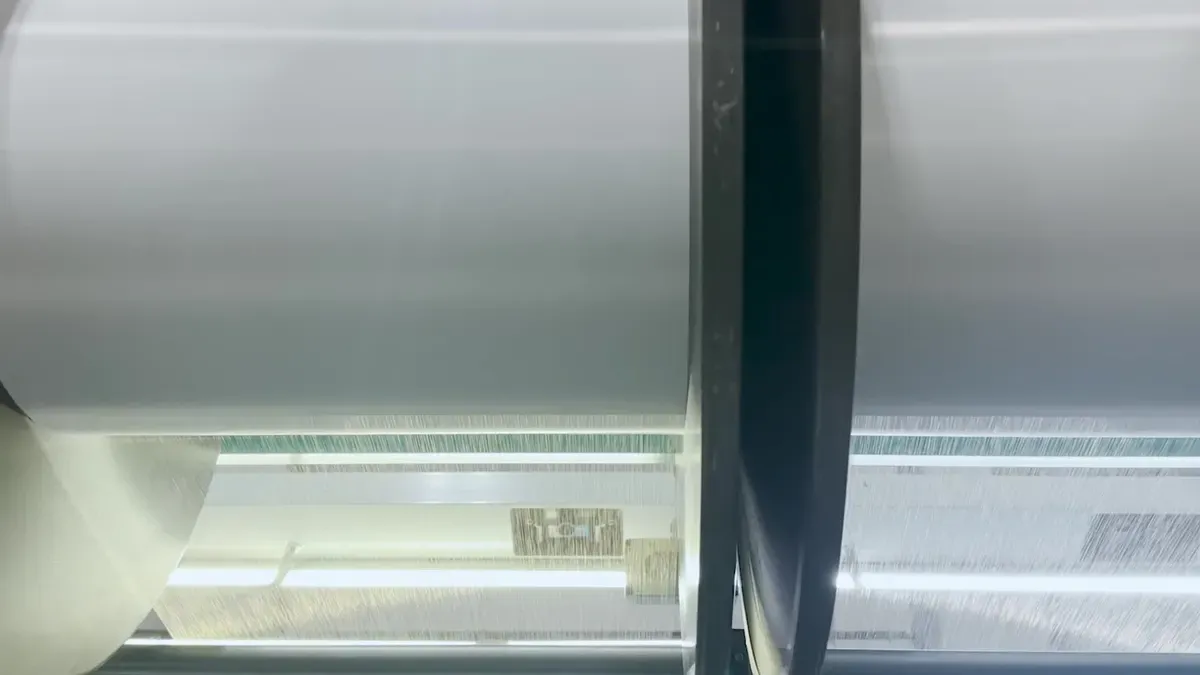
Mechanical orientation process
Machine direction orientation stretching
You can turn regular PET plastic into a high-performance film by using a special stretching process. Large factory machines pull the thick, un-stretched sheet along its length first. Workers call this starting step the machine direction orientation process. Fast-spinning rollers pull the warm plastic sheet forward in a smooth, carefully controlled sequence.
These rollers spin faster and faster to stretch the material down the line. Precise heaters warm the plastic sheet near its softening point while the rollers pull it. This key step lines up the tangled plastic chains along the length of the sheet. The process makes the plastic layer much stronger from front to back.
Transverse direction orientation stretching
Next, strong metal clamps grab the outer edges of the moving plastic sheet inside a hot oven. These metal clamps pull the sheet sideways to make biaxially oriented PET. The factory line pulls the material in two crosswise directions to create equal strength across the entire surface.
Factories use exact settings during this important two-way pulling process. Controlled heat helps the material stretch evenly without tearing the surface. The table below shows the main settings used in factory stretching methods:
Source | Temperature Parameter | Stretch Ratios |
|---|---|---|
General Industry Practice | Near glass transition temperature | 3:1–4:1 in each direction |
Patent GB930962 | Above 120°C | Longitudinal >5.05:1, Transverse 2.65:1–3.2:1 |
SINOPEC Industrial Example | Temperature-gradient stretching | Machine direction 3.2–4.0x, Transverse 3.5–4.2x |
Molecular alignment and crystallization
Strain-induced crystallization mechanics
Pulling forces the tangled plastic molecules to line up in neat, orderly rows. You cause strain-induced crystallization when you stretch the warm polyester material under steady pressure. This physical pulling action locks the long plastic chains into tight, neat patterns for good.
Un-stretched plastic resin lacks strong order inside its tiny molecules. Pulling the plastic two ways creates tiny crystal patterns throughout the material. These tight crystal structures boost the impact strength and heat resistance of the finished BOPET film. The stretched plastic keeps its original shape even under heavy heat stress.
Polymer chain density and structural integrity
Stretching the sheet in two directions pulls the plastic chains much closer together. This mechanical pulling process builds a very dense layout inside the stretched plastic layer. You get a tightly packed molecular grid across the whole polyester film surface.
This dense plastic structure keeps gases and liquid moisture from soaking through the surface easily. The finished polyester sheet resists tearing under heavy pulling forces. You end up with strong BOPET film that offers equal strength in every direction. Engineers pick BOPET materials for hard jobs because of this great internal structure.
Key differences: PET film vs. BOPET
Tensile strength and dimensional stability
Mechanical load resistance comparison
You can see physical differences when you compare basic pet film with stretched bopet film. Standard unoriented pet stretches easily under direct physical loads because its internal molecules remain loose. Biaxial orientation aligns the polymer chains to increase material strength dramatically.
The mechanical orientation process changes key performance metrics during standard tension tests:
Unoriented pet: tensile strength 55–75 MPa, elongation at break 300–400%
BOPET (Mylar): tensile strength 190–220 MPa, elongation at break 70–130%
Thermal shrinkage under elevated temperatures
Standard polyester film softens rapidly inside warm operating environments. Unaligned plastic sheet distorts easily when ambient temperatures rise. You need stable materials that maintain their exact shape during hot industrial applications.
Two-way mechanical stretching locks the polymer chain layout securely in place. You will notice that bopet resists thermal shrinkage under high heat while plain polyester warps easily. This dimensional stability prevents costly alignment errors in automated factory machinery.
Barrier properties and optical clarity
Haze reduction and visual transparency
Stretching polyester film reduces internal surface haze dramatically during production. The mechanical process organizes light-scattering crystalline regions into flat molecular layers. You gain superior optical clarity for screen overlays and electronic displays.
High visual clarity allows light to travel through the material without visible distortion. You can apply this clean layer over sensitive touch screens without reducing visual brightness. The uniform surface quality ensures optimal light transmission across the surface.
Moisture vapor and gas barrier performance
Tightly packed plastic molecules create high barrier properties against external moisture penetration. The oriented polyester network blocks gas migration to protect sensitive components from humidity and air exposure.
Property | BOPET | PET |
|---|---|---|
Tensile Strength | High tensile strength; 3 times that of PC film | Not specified |
Barrier Properties | Good oxygen and moisture resistance; good gas barrier (O₂, CO₂, H₂O) | Good air tightness |
Electrical Insulation | Good electrical insulation performance | Not specified |
Dielectric and electrical insulation properties
Breakdown voltage performance
Electrical machinery needs strong dielectric protection to prevent sudden short circuits. Stretched bopet film handles high breakdown voltages reliably inside compact motor housings. You can install this durable pet film substrate inside electrical equipment without worrying about dielectric breakdown.
The dense material structure prevents electric sparks from jumping through thin layer walls. You achieve safe electrical isolation even under continuous high-voltage operation. Engineers select oriented layers to protect delicate copper windings.
Surface resistivity in electrical environments
Dense plastic structures ensure high surface resistivity across changing climate conditions. Standard pet film delivers simple baseline properties, but oriented film offers superior electrical insulation. You can deploy this specialized plastic layer to prevent unwanted current leakage across circuit paths during demanding industrial applications.
The enhanced surface properties resist dust accumulation and static charge buildup over time. You maintain consistent electrical performance across high-tech applications.
Industrial applications of BOPET film
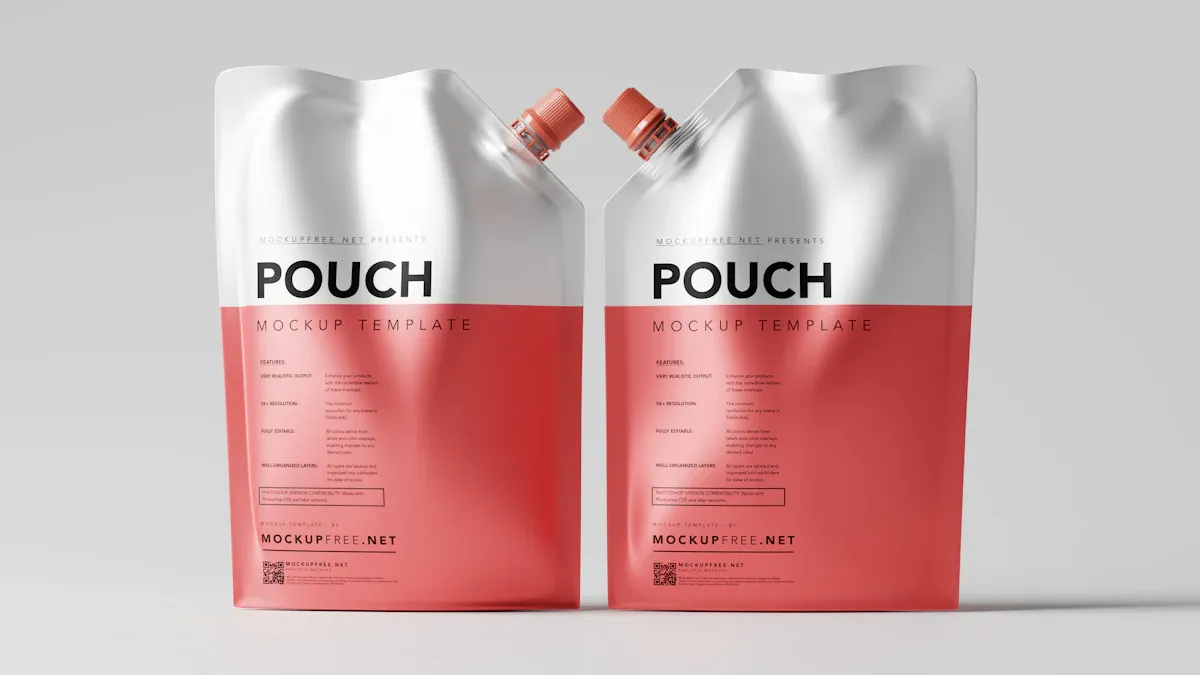
Today's factories use bopet film across many tough job sites. This material mixes physical strength, heat protection, and clear views for demanding factory jobs.
Electrical insulation and energy panel backsheets
Motor slot insulation and transformer wrapping
Big machines need safe electrical protection to shield delicate copper wires. You can wrap electric motor parts with strong pet film layers to prevent short circuits. Stretched plastic films give strong electrical resistance to handle heavy physical stress.
These tough materials supply great voltage protection during high-power motor uses. The table below lists main performance numbers for electrical shielding jobs:
Property | Value |
|---|---|
Breakdown Voltage | 150–200 kV/mm |
Thermal Endurance Class | Class B/F (130–155°C) |
Thermal Index | 120–140°C |
Solar and new energy photovoltaic backsheets
Solar panels require strong outdoor covers to handle harsh weather conditions for years. You can install white polyester film backing to increase panel light reflection. These special sheets give key sun protection, water resistance, and electrical safety for solar equipment.
This tough build supports long panel guarantees lasting over 25 years. Solar panel makers focus on long-lasting materials to lower environmental harm. The strong plastic backing keeps water away from delicate power parts.
Optical displays and consumer electronics
Screen protection layers and display overlays
Modern touch screens need clean visual views plus good scratch protection. You can put clear bopet film over glass touch screens and personal electronics. The smooth plastic layer lets light pass through without causing blurry views on screen displays.
Designers pick these clear layers for electronic screens and protective covers. The tough surface shields fragile glass displays against hard surface hits. These useful pet film setups protect expensive devices during daily use.
Flexible printed circuit board substrates
Small electronics use thin internal wires to save space inside outer cases. You can create lightweight flexible circuits by using strong bopet base layers. The tough base sheet holds thin copper lines without warping its shape.
This dense plastic resists tears during tight automated factory building steps. Electronics plants trust this strong bopet base for small circuit designs. You get reliable power paths inside very tiny electronics cases.
High-barrier protective packaging
Multi-layer laminates for food and pharmaceuticals
Food packing plants use special wrapping to shield sensitive fresh items. You can use high-barrier covered pet layers to block air inside food bags. The tight plastic layout stops oxygen, carbon dioxide, and water vapor movement.
Barrier Property | Protection Level |
|---|---|
Oxygen | High barrier against oxygen ingress |
Carbon Dioxide | High barrier against carbon dioxide permeation |
Moisture | High barrier against moisture vapor transmission |
Retort pouch barrier packaging films
Medical supplies and packaged foods need tough protective bags to prevent outer dirt. You can use flexible packing pouches made with special pet layers to seal goods. These durable multi-layer bags protect medicine, tea, and coffee packs safely.
These shield films stay strong during hot cleaning steps and vacuum sealing. You keep food fresh easily without adding extra artificial chemicals. The strong plastic sheet stops accidental rips during shipping and store shelf storage.
Sourcing YUXING BOPET polyester film for industrial projects
Partnering with YUXING for factory-direct solutions
Tough factory jobs need strong materials from skilled makers. You can work with Jiangsu Yuxing Film Technology Co., Ltd. (YUXING) to get plastic sheets right from the factory floor for your hard tasks. The company runs 13 top-level BOPET factory lines that stretch up to 6.5 meters wide. This huge setup makes 250,000 tons of high-grade plastic every year. You can pick sheet thicknesses from 36 to 500 µm to fit your exact needs. YUXING items pass major world rules like UL, RoHS, ISO, CNAS, and REACH. These safety checks help your plant run smoothly and safely over time.
You can pick special plastic types made for unique factory jobs. Car and home windows need clean views that let light through without blur. YUXING makes clear window films in 23 µm and 50 µm thickness options. These window sheets let in 89.54% to 89.81% of light, keep haze low at 0.8% to 1.01%, and give 99.8% clear views. Heavy electrical jobs need strong shielding to guard big power tools against electric sparks. Motor slot wraps use thickness choices of 125, 150, and 188 µm. These shield layers give high power strength over 90 V/μm, high pull strength over 150 MPa, and keep 10% stretch after 6 days in 190°C heat.
Picking the right bopet film helps your machines run for many years. Basic pet film options can soften when things get too hot. YUXING makes tough bopet polyester film that holds its shape under heavy heat stress. Busy factory lines need steady deliveries to keep working. Buying right from the maker gives you smooth quality across big sheet orders. Factory workers turn raw plastic resin into strong sheets with tight internal grids. Modern factories use these tough films to shield delicate parts from wear. You can order custom plastic sheets to speed up your building steps. Buying straight from YUXING cuts your overall costs while keeping high build quality across all jobs.
Tech teams help you pick the right sheet for tough work settings. You get expert advice when choosing custom coatings, surface steps, and exact sheet thicknesses. Buying right from the source helps you get your orders much faster. The plant tests every batch in strict labs to check pull strength, heat tolerance, and electrical shield power. You get matching physical features in every shipping box. Partnering with a proven maker helps you hit short project deadlines while keeping product performance high.
You now understand the key structural differences. Standard pet serves as the foundational chemical resin. In contrast, bopet film delivers superior tensile strength, optical clarity, and heat resistance through two-way mechanical stretching. Technical buyers evaluate thermal stability and dielectric strength for heavy-duty applications. Consequently, engineers choose bopet over un-oriented pet film to ensure reliable performance under extreme stress.
Selecting the right material protects your project from costly equipment failures. You can upgrade your industrial applications by choosing custom solutions from Jiangsu Yuxing Film Technology Co., Ltd. Contact their technical team today to source high-grade YUXING bopet polyester film tailored to your exact manufacturing needs.
FAQ
Is BOPET film chemically different from standard PET?
No. Both materials share the same chemical base, polyethylene terephthalate. However, stretching the plastic changes the internal physical structure of BOPET. This physical process lines up the polymer chains. As a result, it boosts physical strength compared to standard PET resin.
What does biaxial orientation mean for polyester film?
Biaxial orientation means factory machines stretch the plastic sheet in two directions. First, rollers pull the warm film lengthwise. Next, clamps pull it sideways. This two-way stretching process greatly improves material strength, heat resistance, and visual clarity.
Why do engineers choose BOPET over un-oriented PET for electrical insulation?
Engineers select BOPET because two-way stretching increases molecular density and power resistance. Standard un-stretched PET warps rapidly under high heat. In contrast, BOPET holds its shape and handles intense heat inside demanding electrical motors and transformers.
Can you use BOPET film in protective food packaging?
Yes. You can use BOPET film in multi-layer wraps and protective packaging. Tightly packed polymer chains block oxygen, moisture, and carbon dioxide. This dense plastic network keeps food fresh and stops accidental tears during transport and storage.
How does BOPET film improve display screen overlays?
Two-way stretching organizes light-scattering polymer crystals into flat layers. This structural alignment reduces internal haze and lets light pass through clearly. You get excellent optical clarity, high gloss, and strong scratch protection for touch screens and personal electronics.
Does BOPET film shrink under high temperatures?
BOPET offers superior heat resistance compared to un-stretched polyester. Two-way mechanical stretching locks the polymer chain layout securely in place. The stretched material resists heat shrinkage and keeps its original shape inside hot working settings.