




What is PET Film products used for?
PET film surrounds modern life. This versatile material appears in countless everyday products, from food packaging to electronic insulation. Known chemically as Polyethylene Terephthalate, its practical utility matters far more than its scientific name. Manufacturers choose PET film for its remarkable balance of strength, clarity, and thermal resistance. These qualities enable diverse uses of PET film across industries. Packaging relies on its protective barrier. Electronics depend on its insulating properties. The applications continue expanding into solar energy and medical fields. Understanding this material's core characteristics reveals why it dominates manufacturing. Its adaptability allows engineers to tailor properties for specific demands. This guide explores the essential traits and real-world applications that make PET film indispensable. Readers will discover how this thin material performs extraordinary functions daily.
Key Takeaways
PET film combines strength, clarity, and heat resistance for many uses.
Its barrier properties protect food and drinks from spoilage.
PET film insulates motors, transformers, and electronic circuits safely.
Manufacturers can add coatings or metal layers for special needs.
Recycled PET film reduces waste and supports eco-friendly packaging.
A certified supplier like YUXING ensures high-quality, reliable film.
New applications include solar panels, car parts, and antimicrobial films.
Key Properties of PET Film
Understanding the core characteristics of PET film explains its widespread adoption across industries. These properties determine how the material performs in real-world conditions. Each trait contributes to the film's versatility and reliability. Manufacturers select PET film for specific applications based on these measurable qualities. The following sections examine the mechanical, thermal, electrical, optical, and barrier properties that define this remarkable material.
Mechanical Strength and Durability
PET film delivers exceptional mechanical performance that makes it suitable for demanding environments. This strength allows thin films to protect products effectively. The material resists damage from handling, shipping, and everyday use. Its durability ensures long service life in various applications.
Tear and Puncture Resistance
Tear resistance is critical for packaging applications. A package must withstand punctures during transport and storage. PET film excels in this area due to its molecular orientation. The manufacturing process stretches the film in two directions, creating a strong, stable structure.
Standard BoPET film exhibits impressive tensile strength values[3]. The table below shows typical measurements for a 50 μm film:
| Property | MD (Machine Direction) | TD (Transverse Direction) |
|---|---|---|
| Tensile strength (MPa) | 180 | 170 |
| Elongation at break (%) | 120 | 100 |
*Reference example for 50 μm BoPET film; actual results vary (ITM Lab).
These numbers translate to real-world performance. A food package made from PET film resists tearing when dropped or squeezed. The material stretches before breaking, absorbing impact energy. This behavior prevents catastrophic package failure. For broader context, oriented PET film typically shows ultimate tensile strength between 20–40 kpsi[4] and elongation at break from 60–165%. This wide range allows manufacturers to select the right grade for each job.
Dimensional Stability
PET film maintains good dimensional stability under stress. It does not stretch permanently or shrink unexpectedly under normal conditions. This stability matters for precision applications. Printed electronics require exact alignment. Labels must not distort during application. PET film holds its dimensions well through temperature changes and mechanical stress.
The biaxial orientation process locks the polymer chains in place. This structure resists creep, which is slow deformation under constant load. A roll of PET film stored under normal conditions retains its original dimensions for months. This reliability makes PET film the preferred choice for products requiring consistent sizing.
Thermal and Electrical Performance
PET film performs well under heat and electrical stress. These properties expand its range of applications. The material serves in environments where other plastics fail. Its thermal and electrical characteristics make it indispensable for electronic components.
High Temperature Tolerance
PET film withstands elevated temperatures without losing its mechanical integrity. This heat resistance distinguishes it from many other packaging plastics. In a comparative thermal analysis of common packaging plastics, polyethylene terephthalate thermoplastics exhibited the highest thermal stability[2] among the materials tested, based on decomposition onset temperatures and weight-loss profiles. Polypropylene showed the lowest stability in the same study. This indicates that PET's molecular structure resists thermal degradation better than PP's.
This thermal advantage allows PET film to serve in applications involving heat. Electrical insulation in motors operates at elevated temperatures. Food packaging may encounter warm environments during transport. PET film maintains its protective function under these conditions.
Excellent Dielectric Strength
PET film provides outstanding electrical insulation[6]. Its dielectric strength prevents current from flowing where it should not. This property ensures safety in electronic devices. The film blocks high voltages effectively.
| Material | Breakdown Strength (kV/mm) | Context |
|---|---|---|
| PET film (10-25 μm) | 200-400 | AC breakdown strength for capacitor applications |
| PET (comparative) | 300-400 | Compared against polypropylene (PP) |
| PP (reference) | 600-700 | Provided for contrast; PET is lower |
While polypropylene shows higher breakdown values, PET film offers a superior balance of properties. It combines good insulation with mechanical strength and thermal resistance. This combination makes PET film the practical choice for many electrical applications. Capacitors, motors, and transformers all rely on PET film for reliable insulation.
Optical Clarity and Barrier Qualities
PET film offers excellent transparency and protective barrier functions. These qualities serve both aesthetic and functional purposes. Clear packaging showcases products while protecting them. Barrier properties extend shelf life and reduce waste.
High Transparency for Visibility
Clear PET film transmits visible light effectively. According to industry measurements, the light transmission of clear PET films typically ranges from about 85–90%[5]. This high clarity allows consumers to see packaged products clearly. Retail packaging benefits from this transparency. Food products look appetizing through clear film. Electronic displays require optical-grade PET film for bright, crisp images.
The clarity of PET film does not diminish its strength. Manufacturers can produce thin, transparent films that still protect contents. This combination of see-through visibility and rugged durability is rare among packaging materials.
Effective Gas and Moisture Barrier
PET film provides a good barrier against oxygen, moisture, and other gases for many applications. These barrier properties help protect sensitive products from spoilage and degradation. Oxygen cannot easily reach the product and cause spoilage. Moisture cannot easily enter and create condensation or mold growth. When maximum protection is required, metallized or high-barrier coated grades deliver significantly stronger performance.
The barrier performance extends to aromas as well. PET film keeps food odors contained and prevents external odors from contaminating the product. This protection reduces food waste and maintains product quality. For electronics, the barrier helps prevent corrosion from humidity. The film also offers chemical and temperature resistance, allowing it to withstand exposure to various substances without degrading.
These properties make PET film a versatile solution across many applications. Manufacturers can tailor these characteristics during production. Companies like YUXING specialize in engineering PET films with specific property profiles. They adjust the manufacturing process to achieve desired strength, clarity, or barrier levels. This customization capability enables PET film to meet the exact requirements of diverse industries.
Comprehensive Uses of PET Film in Packaging

Packaging represents the largest market for PET film worldwide. Manufacturers choose this material for its exceptional balance of protection, clarity, and cost-effectiveness. The packaging applications span from simple wrappers to complex multi-layer structures. Each format leverages specific properties of the film to solve real-world challenges. Food safety, product visibility, and environmental responsibility all factor into material selection. PET film addresses each concern effectively.
Food and Beverage Packaging Solutions
The food and beverage packaging sector relies heavily on PET film for good reason. This material protects consumable products from contamination and spoilage. Its barrier properties block oxygen, moisture, and light from degrading food quality. These protective qualities directly translate to longer shelf life and reduced food waste. Retailers benefit from extended display periods. Consumers enjoy fresher products at home.
Flexible Pouches and Lidding Films
Flexible packaging films have transformed how companies package food products. Stand-up pouches for snacks, coffee, and dried goods often use PET film as the outer layer. This film provides structural support and printability. It also offers a glossy surface that attracts consumer attention on store shelves.
Lidding films seal containers such as yogurt cups, ready-meal trays, and beverage cartons. These films must form a secure bond with the container rim. They also need easy-peel functionality for consumer convenience. PET film delivers both qualities. The material withstands temperature changes during filling and sealing processes. It maintains seal integrity throughout the product's distribution journey.
The tear resistance of PET film proves essential in these flexible packaging applications. A pouch must survive drops, compression, and rough handling during shipping. The film's dimensional stability prevents distortion when filled with heavy contents. These mechanical properties work alongside barrier performance to protect food effectively.
High-Barrier Metallized Films
Metallized PET films take barrier performance to another level. A thin layer of aluminum deposited onto the film surface substantially improves its protective qualities. This metallization process creates a material that dramatically reduces oxygen and moisture transmission. The enhanced barrier properties make metallized PET ideal for products requiring maximum protection.
Snack foods such as potato chips and nuts stay crisp inside metallized pouches. Coffee remains aromatic and fresh. Pharmaceutical blister packs protect medications from humidity. The metallic layer also reflects light, preventing UV degradation of sensitive contents.
Metallized films offer an aesthetic advantage as well. The shiny, reflective surface creates a premium look that appeals to consumers. Brands use this visual appeal to differentiate their products on crowded shelves. The combination of function and form makes metallized PET a versatile packaging solution.
Polyester PET Packaging Film for Consumer Goods
Beyond food, polyester PET packaging film serves countless consumer products. This material provides protection, display capabilities, and branding opportunities. Manufacturers across industries recognize its versatility. The film adapts to various packaging formats with ease.
Blister Packs and Clamshells
Blister packs dominate the packaging of small consumer goods. Batteries, toys, hardware, and personal care items commonly use this format. A clear PET film forms the visible bubble that displays the product. A cardboard backing provides printing space for branding and instructions. This combination offers theft deterrence while allowing customers to see the product clearly.
Clamshell packaging uses PET film for both halves of the package. These containers protect larger items such as tools, electronics accessories, and household goods. The clear film showcases the product from all angles. The rigid structure resists tampering and damage during transport. Consumers appreciate the ability to inspect products before purchase.
The high transparency of PET film makes these packaging formats effective. Products appear vibrant and appealing through the clear material. This visual connection between consumer and product drives purchasing decisions.
Labels and Decorative Laminates
PET film serves as an excellent substrate for labels and decorative laminates. Its smooth surface accepts high-quality printing with sharp detail. The film's dimensional stability ensures labels maintain their shape during application. It resists curling, stretching, and tearing in demanding environments.
Beverage bottles, cosmetic containers, and household cleaners all feature PET film labels. These labels withstand moisture exposure without degrading. They resist scratching during handling and transport. The film's clarity allows the label to enhance the container's appearance rather than obscure it.
Decorative laminates use PET film to add visual appeal and protection to various surfaces. Furniture, appliances, and consumer electronics benefit from these laminates. The film provides a durable, easy-to-clean surface that resists wear.
Sustainable and Recycled PET Film Options
Environmental concerns drive innovation in PET film packaging. The industry responds with sustainable solutions that maintain performance while reducing environmental impact. Recycled content and recyclability now factor into packaging decisions across the supply chain.
Recycled Content for Eco-Friendly Packaging
Manufacturers now produce PET films containing recycled material. These films incorporate post-consumer or post-industrial recycled PET. The recycled content reduces demand for virgin materials. It also diverts plastic waste from landfills. Research continues to expand the technical pathways for PET recycling and upcycling[12], including mechanical, chemical, and biological approaches.
Food, beverage, and personal care product containers increasingly use recycled PET film. Brands embrace these materials to meet sustainability goals. Consumers respond positively to packaging that demonstrates environmental responsibility. The quality of recycled PET film matches virgin material for most applications.
Compatibility with Recycling Streams
PET film packaging contributes to circular economy initiatives. Many PET packaging formats are recyclable through existing streams. Clear PET film can be collected and processed alongside PET bottles. This compatibility simplifies the recycling process for consumers and waste management facilities.
Design for recyclability guides new packaging development. Manufacturers minimize multi-material constructions that complicate recycling. They choose adhesives and coatings that do not interfere with the recycling process. These efforts ensure that PET film packaging can find new life in future products.
The packaging industry continues to evolve toward greater sustainability. PET film remains at the forefront of this transformation. Its recyclability, combined with good barrier properties, positions it as a responsible choice for modern packaging needs.
PET Film in Electronics and Electrical Insulation
Electronics and electrical equipment depend on PET film for critical safety and performance. This material prevents electrical failures and protects components. Its high dielectric strength blocks unwanted current. The thermal stability allows reliable performance inside warm motors and transformers. These qualities make it essential for modern electrical systems. Engineers rely on this material for dependable insulation in demanding applications.
Insulation for Motors and Transformers
Motors and transformers operate under high voltages and temperatures. The material provides the insulation needed for safe operation. It separates conductive components and prevents short circuits. The film's dimensional stability keeps it in place during vibration and thermal cycling.
Slot Liners and Phase Insulation
Electric motors contain slots holding copper windings. Slot liners made from this material separate these windings from the metal core. Without this insulation, current would flow directly to the motor housing. The film provides reliable isolation in this critical role.
Phase insulation separates different winding phases within motors and transformers. Each phase carries current at different voltages. The film prevents arcing between phases. The thin profile allows compact motor designs without sacrificing protection.
Cable and Wire Wrapping
Cables and wires require insulation to prevent electrical leakage. The film wraps around conductors for this protection. Its high dielectric strength blocks voltage from escaping. This wrapping also protects against moisture and mechanical damage. YUXING manufactures electrical insulation films engineered for high dielectric strength and thermal stability. These PET films meet rigorous industry standards.
Flexible Printed Circuits and Displays
Modern electronics demand compact, flexible components. The material enables this flexibility in printed circuits and displays. It provides a stable base for conductive traces. The film withstands bending required in portable devices. This adaptability makes it essential for consumer electronics.
Base Film for FPCs
Flexible printed circuits (FPCs) replace rigid circuit boards in many devices. The material serves as the substrate. Manufacturers deposit copper traces onto the film surface. The resulting circuit bends to fit inside tight spaces. Smartphones and laptops contain FPCs made with this material. The dimensional stability keeps circuit traces aligned during production.
ITO-Coated Film for Touch Screens
Touch screens require transparent conductive layers. Indium tin oxide (ITO) coatings on the film create this functionality. The clear material provides optical clarity for display visibility. This combination appears in smartphones, ATMs, and interactive kiosks. The film's flexibility allows curved display designs.
Specialty Tapes and Protective Films
The material serves as the base for many specialty tapes. These tapes provide protection in manufacturing processes. The film's mechanical strength and heat resistance make it ideal for these applications.
Masking and Splicing Tapes
Masking tapes protect surfaces during painting or coating. The film provides the backing for high-temperature masking tapes. These tapes withstand oven curing cycles without degrading. The smooth surface ensures clean removal without residue. Splicing tapes connect material rolls during continuous manufacturing. The material offers the strength needed for this application.
Surface Protection for Screens
Electronic screens require protection during manufacturing and shipping. PET films applied as temporary covers serve as protective films. The material adheres gently to screen surfaces. It prevents scratches and dust accumulation. Workers remove the protective layer before final delivery. This application ensures screens arrive in pristine condition.
Industrial and Specialty Applications of PET Film
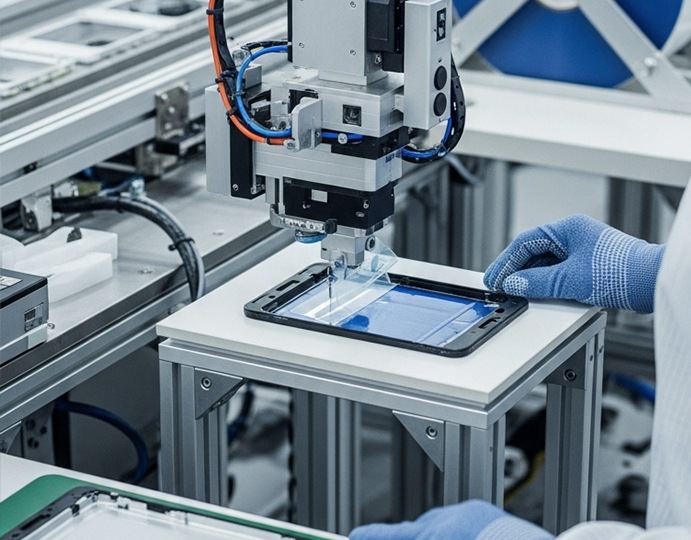
Beyond packaging and electronics, PET film serves critical roles in industrial and specialty sectors. These applications demand specific performance characteristics. The film's weatherability, dimensional stability, and surface properties make it a preferred choice. Manufacturers across diverse fields rely on this material for demanding environments.
Graphics, Printing, and Signage
The graphics industry depends on PET film for durable visual displays. Outdoor advertising faces harsh conditions daily. Sunlight, rain, wind, and temperature swings degrade lesser materials quickly. PET film resists these elements well, and UV-stabilized grades are specified for outdoor use to resist yellowing and embrittlement over time.
Durable Outdoor Signage and Banners
Outdoor display signs require materials that withstand prolonged sun exposure. UV-stabilized PET film delivers this durability without sacrificing print quality. Large-format printers produce vibrant graphics on the film's smooth surface. The material accepts inks evenly, creating sharp images and text. Retail storefronts, construction site hoardings, and event banners all benefit from PET film's longevity.
The film's dimensional stability prevents warping or curling in changing weather. A banner printed on PET film stays flat and legible. This reliability reduces replacement costs for businesses. Advertising agencies choose PET film for campaigns requiring consistent brand presentation across multiple locations.
Membrane Switches and Nameplates
Membrane switches represent a specialized application of PET film. These switches appear on appliances, industrial controls, and medical devices. The film serves as the printable top layer. Manufacturers print circuit traces and graphics onto the film surface. This construction creates a thin, responsive switch that withstands millions of actuations.
Nameplates and rating labels also use PET film. The material accepts detailed printing with crisp text and logos. Its scratch resistance keeps identification readable throughout the product's service life. Equipment manufacturers rely on PET film nameplates for compliance labeling and brand identification.
Release Liners and Protective Films
PET film functions as an excellent carrier for adhesives and temporary protection. Its smooth, consistent surface provides an ideal substrate. The film releases cleanly without leaving residue. This property proves valuable in manufacturing processes across industries.
Carrier for Adhesives
Pressure-sensitive adhesives require a release liner during production and storage. PET film serves this role effectively. The adhesive remains protected until application. Workers peel the film away to expose the bonding surface. This system appears in tapes, labels, and graphic films. The dimensional stability of PET film prevents the liner from stretching during application. This precision matters for automated processes.
Temporary Surface Protection
Manufacturers use PET film to protect surfaces during fabrication and shipping. Painted metal panels, glass sheets, and plastic components receive a temporary film layer. This protection prevents scratches, dust accumulation, and minor damage. Workers remove the film after installation. The clean removal leaves no adhesive residue behind. This application reduces waste and rework costs significantly.
Emerging Uses in Renewable Energy and Automotive
PET film plays an expanding role in renewable energy and automotive manufacturing. These industries demand materials with exceptional reliability. The film's combination of electrical, thermal, and mechanical properties suits these requirements. Innovation continues to open new applications for this versatile material.
Backsheets for Solar Panels
Solar panels require durable backsheets to protect photovoltaic cells. PET film serves as a key component in these backsheets. The film provides electrical insulation and moisture resistance. It also offers mechanical protection against environmental stress. Solar installations operate for decades in outdoor conditions. UV-stabilized and hydrolysis-resistant PET grades help ensure this long service life. The material's UV resistance and dimensional stability prove essential in this application.
Interior and Exterior Automotive Components
Automotive manufacturers incorporate PET film into various components. Interior trim pieces use the film for decorative finishes. The material accepts coatings that mimic wood, metal, or carbon fiber. These finishes resist scratching and fading better than painted surfaces. Exterior applications include protective laminates for painted panels. The film shields against stone chips and UV degradation.
Beyond these established uses, PET film continues finding new applications. Antimicrobial PET films now serve in medical and healthcare packaging. These films inhibit bacterial growth on surfaces. Hospitals and clinics use them for equipment covers and barrier materials. The textile industry also employs PET film in clothing applications. Reflective films on safety garments enhance visibility for workers. These diverse applications demonstrate the remarkable adaptability of PET film across modern manufacturing.
Exploring Different Types of PET Films
PET film comes in many forms. Manufacturers modify the base material through orientation, coating, and customization. These variations create films with specific property profiles. Understanding the different types of pet film helps engineers select the right material for each use case. The following sections explore the major categories and their unique characteristics.
BoPET (Biaxially-Oriented) PET Film
BoPET film represents the most common form of PET film. In 2024, BOPET film held a market share of 54.5%[1] among all polyester film types, according to FactMR. The global polyester film market was valued at about US$32.2 billion in 2024 and is projected to reach roughly US$56.1 billion by 2034 at a CAGR of 5.7%[1]. This dominance reflects BOPET's excellent balance of properties. Manufacturers stretch the film in two directions during production, creating a strong, stable structure.
The Industry Standard for Strength
BoPET film delivers exceptional mechanical performance. The biaxial orientation process aligns polymer chains in both directions. This alignment increases tensile strength and dimensional stability. Thin films of BoPET outperform thicker films of other materials. Packaging relies on this strength for product protection. Electrical insulation depends on its reliability under stress. Among the various types of PET film, BoPET remains the most widely specified for demanding uses.
Optical and Functional Grades
Optical grade BoPET films provide superior clarity for displays and touch screens. These films enable bright, crisp images in electronic devices. Functional grades serve industrial uses requiring specific mechanical or thermal properties. YUXING offers a diverse range covering both categories. Their optical grade films enable brilliant visuals in displays. Their functional films meet rigorous industrial demands. This breadth allows manufacturers to find the right PET film for their needs.
Coated and Metallized PET Films
Surface treatments enhance the natural properties of PET film. Coatings and metallization add functionality that the base film cannot provide alone. These modifications expand the range of uses for PET films.
Enhancing Barrier and Reflectivity
Metallization applies a thin aluminum layer to the film surface. This process dramatically improves barrier performance. According to industry sources, metallization enhances the oxygen barrier of films by a factor of 100 to 500 times[7] compared to uncoated films, with moisture barriers improved by 50 to 200 times. This improvement makes metallized PET ideal for packaging applications requiring high barrier properties. The reflective surface also provides aesthetic appeal for retail packages.
Chemical and Scratch-Resistant Coatings
Coatings protect PET film from harsh environments. Chemical-resistant coatings prevent degradation from solvents and cleaning agents. Scratch-resistant coatings maintain surface clarity during handling and assembly. These treatments appear on protective films for electronics and display applications.
Customized PET Films for Specific Needs
Some specific uses require tailored property profiles that standard films cannot provide. Customized PET films address these unique requirements. Manufacturers adjust the formulation and processing to achieve specific characteristics.
Flame-Retardant and UV-Stabilized Grades
Flame-retardant PET films serve critical safety functions in electronics. The electronics sector's demand[10] for these films ties directly to their role in insulating components within high-temperature environments. Miniaturization increases heat density[11], making flame-retardant films essential for circuit protection.
The global halogen-free flame retardant BOPET films market is projected to grow from about USD 11.43 million in 2026 to roughly USD 19 million by 2033, representing a CAGR of approximately 7.6%[9], according to industry projections. This growth is driven by electronics manufacturers shifting toward compliance-led material substitution.
UV-stabilized grades resist degradation from sunlight exposure. These films appear in outdoor signage and solar panel backsheets.
White, Matte, and Printable Finishes
Surface finishes affect the appearance and functionality of PET film. White films provide opacity for labeling and packaging. Matte finishes reduce glare for display applications. Printable finishes accept inks for branding and information. These customized films allow manufacturers to match the film's appearance to their specific requirements.
Choosing the Right PET Film Manufacturer
Selecting a manufacturer for pet film requires careful evaluation of several factors. Technical support, consistent quality, and reliable delivery all matter. The right partner for PET film provides films that meet specific performance requirements. This section guides readers through the key considerations when choosing a PET film supplier.
Evaluating Quality and Consistency
Quality in PET films begins with certifications and testing standards. A reputable manufacturer maintains certifications that demonstrate compliance with industry requirements. These credentials ensure the film performs reliably in its intended uses.
Certifications and Testing Standards
Certifications verify that a manufacturer meets regulatory and safety standards. The following certifications are essential for different sectors:
UL for electrical films (e.g., UL yellow cards)
USP for medical applications
RoHS/REACH for electronics compliance
FDA 21 CFR compliance statements for food films
UL 94 flame rating for electrical films
These certifications provide assurance that the film meets specific safety and performance criteria. FDA authorization confirms the film is safe for direct food contact. UL certification confirms the film's electrical insulation properties meet industry standards. A manufacturer holding these certifications demonstrates commitment to quality.
Testing standards further validate film quality. Thickness uniformity is a critical parameter for many uses. ASTM D6988[8] is the standard method for measuring plastic film thickness using a dead weight caliper. This standard ensures consistent and accurate thickness measurements across production batches.
Manufacturers that follow ASTM D6988 provide films with reliable thickness uniformity. This consistency matters for products requiring precise dimensions, such as electrical insulation and flexible printed circuits.
Supply Chain Reliability
Reliable supply chains ensure consistent production schedules. Manufacturers must deliver films on time to prevent production delays. Custom PET film orders, such as special widths or coatings, typically take 10–15 business days to produce. Production lead time is approximately 15 days after specification and order confirmation. A precise timeline is provided upon order confirmation.
A manufacturer with reliable supply chains maintains consistent inventory levels. They communicate lead times clearly and meet delivery commitments. This reliability reduces risk for buyers who depend on timely material delivery.
The YUXING Advantage in PET Films
YUXING stands as a leading manufacturer of high-quality BoPET films. The company's expertise spans solar, optoelectronic, and electrical insulation applications. YUXING's commitment to innovation and quality positions it as a trusted partner for demanding projects.
Advanced R&D and Customization Capabilities
YUXING invests in advanced research and development capabilities. Technical teams help customers select the right film for specific operating conditions. They provide expert guidance on custom coatings, surface treatments, and exact thicknesses. Laboratory testing verifies tensile strength, heat tolerance, and electrical insulation properties.
This customization capability allows YUXING to meet unique performance requirements. Whether a project needs flame-retardant film for electronics or optical-grade film for displays, YUXING delivers tailored solutions. The company's state-of-the-art R&D ensures that each film meets rigorous quality standards.
YUXING's films serve critical roles across multiple industries. From solar panel backsheets to electrical insulation, the company's PET films provide reliable performance. Customers seeking a high-quality PET film supplier for their next project should explore YUXING's range of solutions.
PET film's remarkable versatility stems from its unique combination of strength, clarity, and thermal resistance. These properties enable countless packaging, electronics, and industrial applications. The material continues evolving into innovative areas, including recycled content solutions and antimicrobial films for medical and healthcare settings. This adaptability reinforces PET film's role as a foundational material in modern manufacturing.
Readers considering PET film for their own products need a trustworthy manufacturing partner. YUXING offers reliable BoPET film solutions backed by advanced R&D capabilities. Their expertise spans solar, optoelectronic, and electrical insulation sectors. Exploring YUXING's product range helps bring new projects to life with confidence.
Need High-Quality BOPET Film for Your Application?
YUXING provides precision-engineered BoPET film backed by advanced R&D, CNAS-accredited laboratory testing, and UL / RoHS / REACH compliance — covering solar, optoelectronic, and electrical insulation applications. Get technical data sheets, free samples, and a professional quote.
FAQ
What makes PET film different from other plastic films?
PET film offers a unique balance of strength, clarity, and thermal resistance. Unlike polypropylene or polyethylene, it withstands higher temperatures without degrading. Its dimensional stability prevents stretching or shrinking during use. These qualities make it suitable for demanding packaging and electrical applications where other films fail.
How does metallized PET film improve barrier performance?
Metallization deposits a thin aluminum layer onto the film surface. This process enhances oxygen barrier properties by 100 to 500 times compared to uncoated film[7]. The metallic layer also blocks moisture and light. This improvement makes metallized PET film ideal for snacks, coffee, and pharmaceutical packaging.
Can PET film be recycled?
Yes, many PET film formats are recyclable through existing streams. Clear PET films can be collected alongside PET bottles. Manufacturers now produce films containing recycled content for food, beverage, and personal care containers. Design for recyclability guides new product development, minimizing multi-material constructions that complicate processing.
What factors should engineers consider when selecting PET film?
Engineers evaluate operating temperature, required dielectric strength, and mechanical stress. They also consider optical clarity needs and barrier requirements. Custom orders may need specific coatings or surface treatments. Consulting with manufacturers like YUXING helps match film properties to the exact demands of each application.
How does PET film contribute to solar panel reliability?
PET film serves as a key component in photovoltaic backsheets. It provides electrical insulation and moisture resistance. UV-stabilized and hydrolysis-resistant grades help maintain performance through long service life outdoors. Solar installations operate for decades, and PET film helps maintain performance throughout that period.
What certifications matter for PET film in food contact?
FDA authorization confirms safety for direct food contact[13]. UL certification validates electrical insulation properties. RoHS and REACH compliance matters for electronics. Medical applications require USP certification. These credentials assure buyers that the film meets regulatory and safety standards for their specific industry.
How does YUXING customize PET films for specific needs?
YUXING offers optical grade films for displays and functional films for industrial use. Technical teams help select the right film for operating conditions. They provide guidance on custom coatings, surface treatments, and exact thicknesses. Laboratory testing verifies tensile strength, heat tolerance, and electrical insulation properties.
What emerging applications use PET film?
Antimicrobial PET films now serve in medical and healthcare settings. These films inhibit bacterial growth on surfaces. The textile industry uses reflective films on safety garments. Renewable energy and automotive sectors continue finding new uses. This adaptability ensures PET film remains essential across evolving industries.
Related BOPET Film Products
Sources & References
Fact.MR — Polyester Film Market. https://www.factmr.com/report/polyester-film-market
Thermal Analysis of Plastics Used in the Food Industry, PMC (US National Library of Medicine). https://pmc.ncbi.nlm.nih.gov/articles/PMC8746179/
ITM Lab — How to Test the Tensile Strength of Film. https://www.itm-lab.com/article/how-to-test-tensile-strength-of-film.html
Polyprint — Understanding Film Properties: Flexographic Tensiles. https://www.polyprint.com/understanding-film-properties/flexographic-tensiles/
Society of Vacuum Coaters — Polyester (PET) Film as a Substrate: A Tutorial. https://www.svc.org/clientuploads/directory/resource_library/07_692.pdf
PatSnap Eureka — PET Dielectric Material. https://eureka.patsnap.com/materials/pet-dielectric-material
PennPac — Metallized Films: Enhancing Packaging Performance and Extending Shelf Life. https://www.pennpac.com/blog/metallized-films-packaging-performance/
Gauging Systems — How to Measure Plastic Film (ASTM D6988). https://www.gauging.com/customer-resources/how-to-measure-plastic-film/
DataM Intelligence (via openPR) — Halogen-Free Flame Retardant BOPET Films Market. https://www.openpr.com/news/4612906/halogen-free-flame-retardant-bopet-films-market-size-to-reach
Future Market Insights — Flame Retardant Film Market. https://www.futuremarketinsights.com/reports/flame-retardant-film-market
Credence Research — Flame Retardant Film Market. https://www.credenceresearch.com/report/flame-retardant-film-market
Towards Carbon Neutrality: Sustainable Recycling and Upcycling Strategies for Polyethylene Terephthalate, PMC. https://pmc.ncbi.nlm.nih.gov/articles/PMC11021832/
U.S. FDA — Food Chemical Safety / Food Contact Substances. https://www.fda.gov/food/food-ingredients-packaging/food-chemical-safety