




BOPET polyester film is a biaxially oriented polyester film—a strong, transparent plastic sheet produced through molecular alignment in two directions. This versatile material is used across countless products, from protective food packaging to critical insulation layers within electric vehicles. Manufacturers value biaxially oriented polyester films for their high tensile strength, optical clarity, and good barrier properties against moisture and gases. These polyester films provide moderate oxygen barrier performance, helping preserve freshness for packaged food items. The material's dimensional stability enables precision engineering in demanding environments. BOPET applications span industries as diverse as electronics, renewable energy, and medical devices. Understanding these versatile polyester films reveals how one material supports modern manufacturing across multiple sectors.
BOPET film is a strong, clear plastic used in many products, from food packaging to electronics.
It provides good oxygen and moisture barrier performance, helping extend food shelf life.
It serves as electrical insulation for motors, transformers, cables, and capacitors.
Optical-grade BOPET is produced in cleanrooms for display and touchscreen applications.
BOPET supports solar panel backsheets and EV battery insulation when used in multi-layer constructions.
It is lightweight and strong, helping reduce transportation and packaging costs.
BOPET (PET #1) is recyclable, though recycled content may require property adjustments.
Choosing a reliable manufacturer with ISO 9001 and cleanroom capabilities helps ensure consistent quality.
What Is BOPET Polyester Film and How Is It Made?
The production of BOPET polyester film begins with polyethylene terephthalate (PET) resin. Manufacturers create this base material by polymerizing terephthalic acid (PTA) with ethylene glycol (EG). The resulting polyester forms the foundation for one of the most versatile engineered films available today. Understanding biaxially oriented polyethylene terephthalate requires examining both its chemical origin and the specialized manufacturing process that transforms ordinary resin into high-performance polyester films.
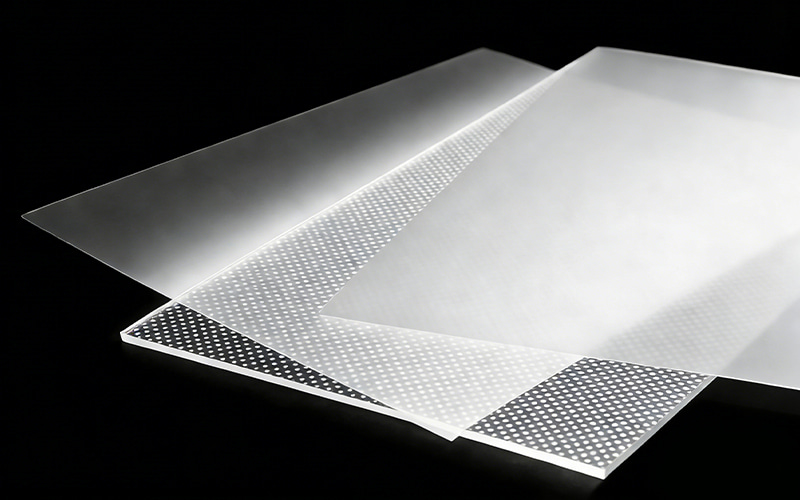
Defining the Base Polymer and Orientation Process
From PET Resin to High-Performance Film
PET resin enters the production line as small pellets. The process demands precise control at every stage. The resin undergoes drying to reduce water content below 0.005 percent. This step prevents hydrolytic degradation during melting. The dried material then melts at temperatures between 265 and 285 degrees Celsius. The molten polymer extrudes through a flat die onto a chilled drum. Rapid cooling forms an amorphous cast sheet with no molecular orientation. This amorphous sheet possesses limited strength and clarity. The subsequent biaxial orientation step transforms it significantly.
| Step | Details |
|---|---|
| Drying | Precise drying to water content less than 0.005 percent |
| Melting | Melted at 265 to 285 degrees Celsius |
| Extrusion and Quenching | Extruded through flat die and rapidly cooled on chill roll |
| MD Orientation | Stretched longitudinally at 3 to 4 times ratio over heated rollers |
| TD Orientation | Stretched transversely in tenter frame at 3 to 4 times ratio |
| Heat Setting | Heated above 200 degrees Celsius to induce crystallinity and relieve stress |
These steps transform the raw material into biaxially oriented polyester with improved properties. The crystallinity typically reaches approximately 40–50 percent after heat setting. This structure forms the basis for the durability that distinguishes these polyester films.
The Biaxial Stretching Technique
Biaxial orientation occurs in two sequential stages. The first stage involves longitudinal stretching. The cast sheet passes through a machine direction orienter. Preheat temperature typically reaches 70–85 degrees Celsius. Drawing temperature holds at approximately 80–95 degrees Celsius. The stretching ratio commonly reaches 3.0 to 3.5 times the original length. The film then cools to lock in the orientation.
The second stage stretches the film in the transverse direction. A tenter frame grips the film edges and pulls them outward. The stretch ratio commonly reaches 3.0 to 3.5 times the original width. After stretching, heat setting occurs at approximately 200–230 degrees Celsius for a few seconds on a continuous line. This thermal treatment induces crystallinity and relieves internal stresses. The resulting material exhibits good dimensional stability and mechanical strength.
This two-step process distinguishes BOPET from ordinary (cast) polyester films. The orientation creates molecular alignment that delivers improved performance. Manufacturers achieve these characteristics through precise control of temperature, tension, and timing.
Core Properties That Define Its Utility
Mechanical Strength and Dimensional Stability
Biaxial orientation produces strong mechanical properties. The aligned polymer chains resist deformation under load. Tensile strength increases significantly compared to unoriented material. Impact resistance also improves. The film resists punctures and tears better than many standard plastics. This mechanical strength supports demanding packaging applications and industrial uses.
Dimensional stability represents another key advantage. The heat setting step locks the film structure in place. Temperature fluctuations cause minimal expansion or contraction. This stability is essential for electronics and packaging applications. The material holds tight tolerances during lamination, printing, and coating processes. Biaxially oriented polyester maintains its shape even under mechanical stress.
Barrier Performance Against Gases and Moisture
The dense molecular structure formed during biaxial orientation provides useful barrier properties. Standard transparent BOPET polyester film exhibits an oxygen transmission rate (OTR) between approximately 45 and 65 cubic centimeters per square meter per day (at 23°C, 0% RH, 25µm). Water vapor transmission rate (WVTR) typically falls between 15 and 25 grams per square meter per day (at 38°C, 90% RH, 25µm). These values represent moderate barrier capability compared to high-barrier materials such as EVOH or aluminum foil.
For applications requiring higher barrier performance, BOPET is often combined with other layers (e.g., EVOH, aluminum oxide coating, or metallization) in multi-layer structures. Plain BOPET alone may not be sufficient for products with very long shelf-life requirements or high oxygen sensitivity. Packaging engineers should evaluate specific barrier needs against the film's measured OTR and WVTR values.
Thermal and Electrical Resistance
Heat resistance distinguishes BOPET from many commodity plastic films. The material can withstand continuous service temperatures up to approximately 120–150°C (depending on grade and application), well above many commodity plastics. Heat setting above 200 degrees Celsius creates a crystalline structure that resists thermal deformation. Biaxially oriented polyester maintains its mechanical properties across a wide temperature range.
Electrical insulation represents another key application area. Biaxially oriented polyester exhibits good dielectric strength. The material resists electrical breakdown under high voltage. This property makes it suitable for capacitors, motor insulation, and transformer components. The combination of thermal stability and electrical resistance opens applications in demanding industrial environments.
Dominant Uses in Flexible and Food Packaging
BOPET film is widely used in the flexible packaging sector, with the food industry representing the largest end-use market. Data from recent market analysis shows the food sector holds a significant share, with bags and pouches accounting for a substantial portion of the BOPET packaging films market. These numbers highlight the material's importance in everyday consumables. Manufacturers rely on biaxially oriented polyester films for their ability to protect products while maintaining visual appeal.
Ensuring Freshness in Food and Beverage Packaging
Polyester films play a central role in keeping food fresh from production to consumption. The material's barrier properties help slow oxygen and moisture ingress, two primary causes of spoilage. This protection can help extend shelf life. Food producers choose BOPET polyester film for applications requiring both strength and clarity. The film withstands temperature extremes from freezer to microwave without losing integrity.
| Application / Segment | Key Market Data |
|---|---|
| Common Applications | Stand-up pouches, retort pouches, lidding films, and metallized films |
| Bags & Pouches Market Share | Approximately 33% of the BOPET packaging films market |
| Food End-Use Market Share | Largest segment (estimated 50%+ of total BOPET film consumption) |
Lidding Films for Yogurt, Soups, and Desserts
Lidding films represent one of the most common applications of polyester films in food packaging. These films seal plastic or aluminum containers, creating a hermetic closure that keeps contents fresh. BOPET provides barrier protection that helps reduce oxygen and moisture ingress. This barrier function is useful for yogurt, prepared soups, and desserts that spoil quickly without proper protection.
The material maintains structural integrity across a wide temperature range. Lidding films remain intact from freezer storage to microwave reheating. BOPET also resists oils and greases better than many polyolefin films. This resistance is useful for dairy products and soups containing fats. Food packaging engineers select BOPET lidding when they need reliable barrier performance and good shelf life.
High-Barrier Pouches for Snacks and Coffee
Stand-up pouches and retort pouches use polyester films as a key layer in their structure. These flexible formats require good barrier performance to maintain freshness. High-barrier pouches for snacks help prevent oxygen from reaching chips, crackers, and nuts. Coffee packaging demands even stricter protection, as oxygen can degrade coffee flavor over time. In these applications, BOPET is typically laminated with other barrier layers (such as EVOH, aluminum foil, or SiOx coating) to achieve the required shelf life.
Food packaging buyers prioritize shelf life as a primary concern. Polyester films deliver mechanical strength and printability, while additional barrier layers provide the oxygen protection needed for extended shelf life. The material's combination of barrier properties and mechanical strength makes it a common choice for demanding food applications.
Critical Roles in Medical and Pharmaceutical Packaging
Beyond food, BOPET serves medical and pharmaceutical applications that demand high reliability. These applications of polyester films require sterile conditions and consistent performance. The material's barrier properties help protect sensitive medical products from contamination.
Sterile Barrier Pouches and Blister Packs
Medical device packaging relies on polyester films for sterile barrier systems. These pouches help maintain sterility until the moment of use. Polyester films provide a barrier against microorganisms and moisture. Blister packs for pharmaceuticals use BOPET as a forming film or lidding material. The film helps protect tablets and capsules from humidity and physical damage.
Manufacturers choose biaxially oriented polyester films for their dimensional stability. The material holds tight tolerances during thermoforming and sealing processes. This stability helps ensure consistent package quality across production runs. Medical packaging applications demand very low defect rates, and polyester films help deliver the reliability that healthcare requires.
Medical X-Ray and Imaging Film Substrates
BOPET serves as the base substrate for medical imaging films. X-ray films require a dimensionally stable support material. Polyester films provide the necessary clarity and flatness for accurate imaging. The material's optical properties help ensure consistent exposure and development results.
Medical imaging applications demand precise control of film thickness and surface quality. Polyester films deliver these characteristics through advanced manufacturing processes. The film's chemical resistance allows it to withstand processing chemicals without significant degradation.
Enhancing Aesthetics with Metallized and Laminated Films
Metallized BOPET films add visual appeal to packaging while enhancing barrier performance. A thin layer of aluminum deposited on the film surface creates a reflective appearance and improves barrier properties. These polyester films serve dual purposes in food packaging—protecting contents while attracting consumers.
Decorative Laminates for Premium Branding
Brand owners use metallized polyester films for premium product packaging. The reflective surface catches consumer attention on retail shelves. Decorative laminates combine polyester films with other materials to create unique visual effects. These structures can elevate product perception and support brand positioning.
BOPET polyester film compatibility with printing and coating processes enables sophisticated designs. The material accepts inks and adhesives well, allowing complex graphics. Food packaging for high-end chocolates, cosmetics, and luxury items frequently uses metallized polyester films. The material's combination of visual appeal and function makes it useful for branding.
Need High-Quality BOPET Film for Your Packaging or Electronics Project?
Yuxing offers ISO 9001-certified BOPET polyester films with customizable thickness, surface treatments, and optical-grade options. Contact their team for technical specifications and bulk pricing.
Request Product Catalog & QuoteKey Electrical and Electronic Applications of BOPET
BOPET film serves as a foundational material in electrical and electronic systems. Its combination of dielectric strength, thermal stability, and mechanical toughness makes it widely used. These applications demand higher purity and surface quality than packaging uses. Manufacturers must control every aspect of production to meet these exacting standards.
Insulation for Motors, Transformers, and Cables
Electrical insulation protects equipment and users from dangerous currents. BOPET polyester films perform well in this role due to their good dielectric properties. The material helps prevent electrical breakdown while withstanding typical operating conditions.
Slot Liners and Phase Insulation Materials
Electric motors rely on slot liners to isolate windings from the motor core. BOPET film provides the necessary barrier against electrical shorts. A typical 36µm film can deliver a short-term breakdown strength of approximately 150–220 V/µm, depending on test conditions and film grade. This high per-thickness strength allows thin films to safely isolate windings without adding bulk.
Volume resistivity typically reaches 1.0 × 10¹⁴ Ω·m or higher, ensuring minimal leakage current. The relative dielectric constant holds at approximately 3.0–3.2 across standard frequencies. Low dielectric loss tangent helps minimize heat generation in AC applications. These properties make polyester films suitable for phase insulation in motors and transformers.
The material commonly carries a thermal class rating of E (120°C) or B (130°C), depending on grade. This rating supports continuous operation in many motor designs. Flame-retardant modified BOPET grades can meet VTM-2 standards under UL 94, providing self-extinguishing behavior. Note that standard (non-flame-retardant) BOPET may not achieve this rating. Low moisture absorption helps maintain insulation performance in humid environments. Oil resistance ensures compatibility with mineral oils in transformers. Mechanical toughness helps withstand assembly stresses and vibration during motor operation.
Flexible Printed Circuit (FPC) Substrates
Flexible printed circuits require substrates that bend without breaking. BOPET polyester films provide dimensional stability and flexibility for these applications. The material supports precise electrode patterning for capacitive sensing.
In touchscreen structures, PET film can serve as the upper substrate for patterned electrodes. These electrodes feature precise geometries and maintain consistent electrical resistance. The film's surface quality enables reliable patterning at fine resolutions. FPC bonding uses anisotropic conductive film, demonstrating compatibility with standard interconnection methods.
Enabling Modern Display and Touchscreen Technologies
Display technologies demand optical clarity and high-quality surfaces. BOPET film meets these requirements through advanced manufacturing processes. The material's purity directly affects display quality and performance.
ITO-Coated Films for Touch Sensors
Touch sensors require transparent conductive layers on flexible substrates. Manufacturers deposit indium tin oxide (ITO) onto BOPET film to create these sensors. The film's smooth surface helps ensure uniform coating deposition. Its optical clarity helps maintain display brightness and color accuracy.
The PET film substrate can form part of a sandwich structure with elastic silicone gel layers. This configuration enables touch position and force sensing through capacitance changes. The durability of polyester films helps support reliable performance through many touch cycles.
Optical Base Films for LCD and OLED Panels
Advanced display applications require ultra-clean production environments. Manufacturers such as Yuxing produce optical-grade films in Class 1,000 cleanrooms. This controlled environment helps prevent contamination that could create visible defects. Automated Optical Inspection maps micro-scratches and pinholes on winding lines, helping ensure high quality.
These polyester films serve as base materials for diffusion, reflection, and brightening layers. Each function demands specific optical properties. The durability of these films helps maintain performance throughout the display's operational life.
High-Performance Capacitor Films
Capacitors store electrical energy for power electronics. BOPET film provides the dielectric medium in metallized film capacitors. The material's consistent thickness and purity help ensure predictable capacitance values.
Metallized Film Capacitors for Power Electronics
Metallized BOPET capacitors handle high voltages in power conversion systems. The film's short-term dielectric strength can reach 150–250 kV/mm, though practical operating field strengths are typically much lower (approximately 20–60 kV/mm) to ensure long-term reliability. Thermal class ratings of 105–120°C support use in many demanding environments.
These capacitors find applications in inverters, power supplies, and motor drives. The film's low loss characteristics help reduce energy waste during operation. Its dimensional stability helps maintain capacitance accuracy over time. The applications of polyester films in electronics continue expanding as devices become more compact and powerful.
Specialized Optical-Grade BOPET Films for Advanced Displays
High-end BOPET technology appears in optical-grade films designed for advanced display systems. Automotive dashboards, smartphones, wearables, and large-format televisions all depend on these precision-engineered materials. Unlike standard packaging grades, optical films demand high purity and excellent surface quality. Microscopic defects can become visible when magnified across a bright display panel. Manufacturers must therefore employ careful measures to ensure quality.
The Need for Ultra-Clean Manufacturing Environments
Display applications have very low tolerance for contamination. A single dust particle can create a visible bright spot or dark pixel. This reality drives optical film production into controlled cleanroom environments [1].
Class 1,000 Cleanroom Production Standards
Yuxing manufactures optical-grade films in Class 1,000 (ISO 6) cleanrooms. This classification limits particulate contamination to fewer than 1,000 particles (≥0.5µm) per cubic foot. Production, slitting, and packing all occur within this controlled space. Operators wear specialized garments to prevent human contamination. Air filtration systems remove microscopic particles before they contact the film surface. These measures help ensure that polyester films emerge with high quality for demanding display applications.
Automated Optical Inspection for Defect Control
Even with cleanroom production, invisible flaws can still occur. Yuxing addresses this challenge through Automated Optical Inspection (AOI) systems integrated directly on winding lines. These systems continuously map micro-scratches and pinholes across the entire film surface. High-speed cameras capture images at production speeds, identifying defects that may be invisible to the human eye. This inspection helps ensure that surface defects are minimized before the film reaches a display module.
Product Lineup for Diverse Optical Functions
Different display layers perform different optical functions. Yuxing produces a range of optical-grade polyester films tailored to each role. Each product variant carries specific properties engineered for its intended application.
Diffusion and Reflector Base Films for Light Management
Diffusion base films spread light evenly across a display surface. Yuxing offers adjustable haze levels ranging from 5% to 50%, allowing manufacturers to fine-tune light dispersion. Higher haze values create softer, more uniform backlighting. Reflector base films redirect light toward the viewer, helping maximize brightness while reducing light leakage. Together, these polyester films help manage light flow efficiently within LCD and OLED modules.
High-Clarity and Brightening Films for Enhanced Visuals
Brightening film base can achieve over 90% light transmittance, helping minimize light loss through the optical stack. High-clarity films deliver low haze for applications demanding clear viewing. Strict b* value control helps prevent yellowing, maintaining true-color transmission important for display accuracy. These optical characteristics directly impact perceived image quality.
Coated and Release Films for Lamination Processes
Coated films arrive with pre-applied surface treatments that enhance adhesion. These coatings help ensure wetting tension of at least 52 Dynes/cm, supporting good anchorage of subsequent functional layers. Optical release films provide stable release force during lamination processes. The table below summarizes key specifications for optical-grade films.
| Property | Specification |
|---|---|
| Haze Range | 5% to 50% (adjustable) |
| Light Transmittance | >90% |
| Thermal Stability (MD) | Low shrinkage at 150°C/30min |
| Thermal Stability (TD) | Low shrinkage at 150°C/30min |
| Wetting Tension (pre-coated) | ≥52 Dynes/cm |
Meeting Rigorous International Quality Standards
Optical films must satisfy internationally recognized testing protocols. These standards provide objective measurements that display manufacturers can reference.
ASTM D1003 for Haze and Transmittance
ASTM D1003 defines the standard test method for haze and total luminous transmittance of transparent plastics [2]. This test uses a haze meter or spectrophotometer equipped with an integrating sphere. The light source follows CIE standard illuminant C or D65. Samples must be flat, smooth, clean, and scratch-free. Testing occurs at 23 ± 2°C and 50 ± 5% relative humidity. Haze represents the percentage of light scattered more than 2.5° from the incident beam. Luminous transmittance measures total light passing through the material. Lower haze and higher transmittance generally indicate better optical performance.
Thermal Shrinkage and Dimensional Stability Testing
Thermal stability testing measures how much film shrinks when exposed to heat. Yuxing films maintain good dimensional stability with low shrinkage at 150°C for 30 minutes. This stability helps prevent warping during UV-curing processes common in display manufacturing. These high-performance polyester films represent tailored solutions. Yuxing partners with customers from initial requirements through delivery, providing technical support at every stage.
Industrial, Graphic Arts, and Specialty Applications

Beyond food and electronics, BOPET film serves important roles in industrial settings. Graphic arts professionals rely on these polyester films for demanding visual applications. Manufacturers in construction, automotive, and energy sectors also depend on the material's unique properties. These applications demonstrate the versatility of biaxially oriented polyester film.
Durable Graphics, Labels, and Nameplates
Print shops and sign makers choose BOPET film for graphics that must withstand demanding conditions. The material resists tearing and moisture better than paper, and offers good dimensional stability compared to many vinyl alternatives. This durability helps support long-lasting visual performance.
Backlit Posters and Light-Box Prints
Backlit displays require a transparent substrate that distributes light evenly. Inkjet-printed transparent PET film serves as the image carrier for window displays, light boxes, trade show graphics, and architectural signage. Films with slight diffusion can create even illumination without hot spots. Low haze and high transmission remain important for lightbox and edgelit displays.
| BOPET Film Property | Direct Benefit for Backlit Poster & Light-box Production |
|---|---|
| Dimensional stability | Helps large-format graphics remain aligned and flat, reducing distortion or buckling in frames |
| High transparency (>90%) | Allows light to pass through, producing bright images |
| Printability | Enables sharp, high-resolution color reproduction on wide-format printers |
| Surface finish options | Glossy enhances color vibrancy; matte reduces glare in well-lit environments |
| Roll widths | Supports large-format graphics without splicing |
Pressure-Sensitive Labels and Decals
Clear polyester films with pressure-sensitive adhesive create window graphics for retail and office spaces. These decals, logos, and privacy panels maintain transparency while displaying printed content. High clarity PET helps preserve color fidelity and fine-line detail. Various gauges produce durable labels that resist tearing during application and use. The material's dimensional stability helps keep registration accurate during die-cutting of intricate adhesive shapes.
Carrier Films for Casting and Release Liner Processes
Manufacturers use BOPET film as a carrier substrate in adhesive and composite production. Silicone-coated PET provides a smooth, stable liner that resists tearing. Unlike paper liners, PET liners do not absorb moisture or change size significantly. This stability is useful for electronics adhesives or medical device assembly where liners must peel off cleanly.
Substrates for Adhesive and Composite Manufacturing
Polyester-based release liners help reduce web breaks at high speed and can withstand heat during curing processes. They leave no fibers or residue, offering a clean release solution that outperforms paper in many demanding applications. High tensile and tear strength allows the film to withstand mechanical stress during casting without tearing. Thermal stability helps maintain integrity across temperature ranges used in adhesive and composite curing. Good resin holdout helps prevent bleed-through in composite layups. These properties make BOPET film a common carrier for solvent-based coating applications and board lamination processes.
Emerging Roles in Renewable Energy and Automotive
The transition to clean energy creates new applications for polyester films. Solar and electric vehicle technologies demand materials with good weatherability and electrical insulation. BOPET film can contribute to both characteristics when used appropriately.
Backsheets for Solar Panels
Solar panel backsheets protect photovoltaic cells from environmental degradation. BOPET film is commonly used as a core structural layer in multi-layer backsheet constructions (typically with fluoropolymer or PVDF outer layers for UV protection, and EVA inner layers for lamination). The BOPET layer provides mechanical strength and electrical insulation. The outer fluoropolymer layers provide the UV and weather resistance needed for long-term outdoor exposure. These multi-layer backsheets are designed to support the panel's typical 25-year design life.
Components for Electric Vehicle (EV) Battery Systems
Electric vehicle batteries require electrical insulation between cells and from the chassis. BOPET film provides dielectric strength in thin, lightweight formats. The material's thermal stability supports operation across the temperature range experienced during charging and discharging. Dimensional stability helps prevent short circuits caused by film movement or deformation. As EV adoption grows, these applications of polyester films may expand further.
Why BOPET Film Is the Preferred Material Choice
Balancing Cost-Effectiveness with High Performance
BOPET film delivers good value across its many applications. The material combines performance characteristics that compare favorably to traditional options at a lower cost. This economic advantage helps explain why manufacturers continue using BOPET in many applications.
| Cost Factor | BOPET Film Advantage | Traditional Materials (Glass/Metal) |
|---|---|---|
| Shipping Cost | Lightweight reduces shipping costs | Heavier, higher shipping costs |
| Storage Cost | Lightweight saves storage costs | Bulkier, higher storage costs |
| Revenue Impact | Can help extend shelf life and reduce product degradation | Shorter shelf life may lead to more product loss |
| Procurement | Simplifies packaging procurement, enables better supplier terms | More complex procurement across categories |
A Lightweight, Durable Alternative to Traditional Materials
Metallized films can achieve a significant portion of aluminum foil's barrier performance at a reduced cost. This cost advantage makes BOPET polyester film an attractive option for food packaging. Plastic films integrate with existing packaging lines. They can reduce conversion costs and enable faster production speeds. Aluminum foil requires specialized handling equipment that adds expense.
BOPET film is lightweight and robust, saving weight over glass and metal packaging. Its low density can reduce supply chain transportation costs, energy utilization, and greenhouse gas emissions. Lightweight packaging can boost logistical efficiency and fuel savings.
The durability of polyester films helps them withstand handling throughout the supply chain. This durability can reduce waste from damaged packages. The total cost equation extends beyond material expenses. It includes waste reduction and transportation efficiency. These factors make BOPET cost-effective for many mainstream food applications.
Contributing to Sustainability Goals
Modern manufacturers face increasing pressure to reduce environmental impact. BOPET film can support these sustainability objectives through multiple pathways. The material's lightweight nature directly reduces emissions during transport.
Recyclability and Source Reduction in Packaging
BOPET belongs to the PET family (resin code #1), which is widely accepted in recycling programs. Many manufacturers incorporate recycled content into new film production, though recycled PET may require property adjustments for high-performance applications. The material's durability allows for reprocessing, though mechanical recycling can reduce intrinsic viscosity and mechanical properties over multiple cycles. Glass and metal also have high recycling rates and can be recycled indefinitely without property loss, so each material has different sustainability trade-offs.
Source reduction occurs because thinner films can provide adequate protection in many applications. Manufacturers use less material per package while maintaining performance standards. This reduction lowers raw material consumption across the supply chain. The barrier properties of BOPET polyester film can help extend product shelf life. Longer shelf life can mean less food waste reaching landfills. These environmental benefits resonate with consumers and regulators alike.
The Value of a Reliable Manufacturing Partner
Consistent quality determines success in demanding applications. Manufacturers need suppliers who deliver uniform product every shipment. A dependable partner provides more than material—they provide reliability.
Ensuring Consistent Quality and Supply Chain Security
Quality control measures directly affect supply chain reliability. Manufacturers like Yuxing employ rigorous testing protocols. These protocols help ensure every batch meets specifications.
| Quality Control Measure | Supply Chain Security Benefit |
|---|---|
| Inline thickness gauges with real-time feedback | Helps ensure tight tolerances, reducing downstream waste and production interruptions |
| CNAS-accredited laboratory testing on every batch | Provides verifiable, consistent quality across shipments, reducing incoming inspection burden |
| ISO 9001:2015 certification | Confirms consistent process management, supporting reliable delivery and repeatable product quality |
| RoHS and REACH compliance | Supports regulatory compliance across international markets, helping avoid supply chain legal disruptions |
| Customizable thickness and surface treatments | Allows customers to match exact specifications, reducing the need for multiple suppliers |
| Technical support teams for process optimization | Helps customers troubleshoot issues quickly, minimizing downtime |
These measures help protect production schedules and product quality. Businesses seeking a dependable partner for high-quality BOPET polyester film find that Yuxing provides product consistency and performance. The company's commitment to quality makes it a trusted choice for supply chain needs.
BOPET polyester film represents far more than a single product. It forms a versatile platform of materials with properties tailored for many critical functions. These polyester films help enhance product safety, extend food shelf life, and enable advances in electronics and renewable energy. The material's strength, clarity, and barrier performance make it useful across modern manufacturing. As technology evolves, BOPET continues adapting to new challenges. Businesses seeking consistent quality find that Yuxing delivers dependable polyester films with proven performance.
FAQ
What Makes BOPET Different from Standard PET Film?
Standard (cast) PET film lacks the molecular alignment that biaxial stretching provides. The orientation process strengthens the material significantly. BOPET offers higher tensile strength, better dimensional stability, and improved barrier properties compared to unoriented PET film. These characteristics make it suitable for demanding roles where regular cast PET may not perform adequately.
Is BOPET Film Recyclable?
Yes. BOPET belongs to the PET family (resin code #1), which recycling programs accept widely. Many manufacturers incorporate recycled content into new film production. Note that mechanical recycling can reduce intrinsic viscosity, so high-performance optical or electrical grades may require virgin or carefully controlled recycled content. Companies seeking sustainable packaging solutions find BOPET compatible with many environmental goals.
What Thickness Ranges Are Available?
Manufacturers produce BOPET film in a variety of thicknesses, commonly from 4.5µm to 350µm or more, depending on the application. Thin gauges serve flexible packaging and capacitor applications. Thicker films provide structural support for industrial uses. Optical-grade films require precise thickness control throughout production. Buyers select thickness based on their specific performance requirements.
How Does BOPET Compare to BOPP or Nylon Films?
BOPET offers superior heat resistance and dimensional stability compared to BOPP. Nylon (PA) provides better puncture resistance but absorbs moisture readily, which can affect barrier properties. BOPET maintains more consistent barrier properties regardless of humidity. Its balanced performance profile explains why polyester films are widely used in applications requiring reliability across varied conditions.
Can BOPET Film Be Printed or Coated?
Yes. Surface treatments enhance ink adhesion and coating compatibility. Manufacturers apply corona treatment or chemical primers during production. Pre-coated optical films can achieve wetting tension above 52 Dynes/cm. These treatments enable vibrant graphics for packaging and precise functional layers for electronic applications.
What Industries Rely Most Heavily on BOPET?
Food packaging represents the largest market segment. Electronics manufacturing depends on BOPET for insulation and display components. Renewable energy systems use polyester films as layers in solar panel backsheets. Medical device companies use BOPET for sterile barriers. These diverse applications demonstrate the material's versatility across modern manufacturing.
How Should BOPET Film Be Stored?
Store BOPET rolls in a clean, dry environment, protected from direct sunlight and UV exposure. Keep rolls upright on their ends to prevent deformation. Recommended storage conditions are typically 15–30°C and 40–60% relative humidity. Proper storage helps preserve optical clarity and mechanical properties until processing begins.
What Certifications Matter for Optical-Grade BOPET?
Optical films should comply with RoHS and REACH regulations. ASTM D1003 testing verifies haze and transmittance values. Thermal shrinkage testing follows relevant standards. Manufacturers like Yuxing operate Class 1,000 cleanrooms and employ Automated Optical Inspection. These measures help ensure high-quality polyester films for demanding display applications.
ISO 14644-1: Cleanrooms and associated controlled environments — Classification of air cleanliness by particle concentration — International Organization for Standardization [link]
ASTM D1003: Standard Test Method for Haze and Luminous Transmittance of Transparent Plastics — ASTM International [link]